ESMO 2026 - Complete program listing (20)
October 2026
Daily recaps and interviews from the ESMO 2026
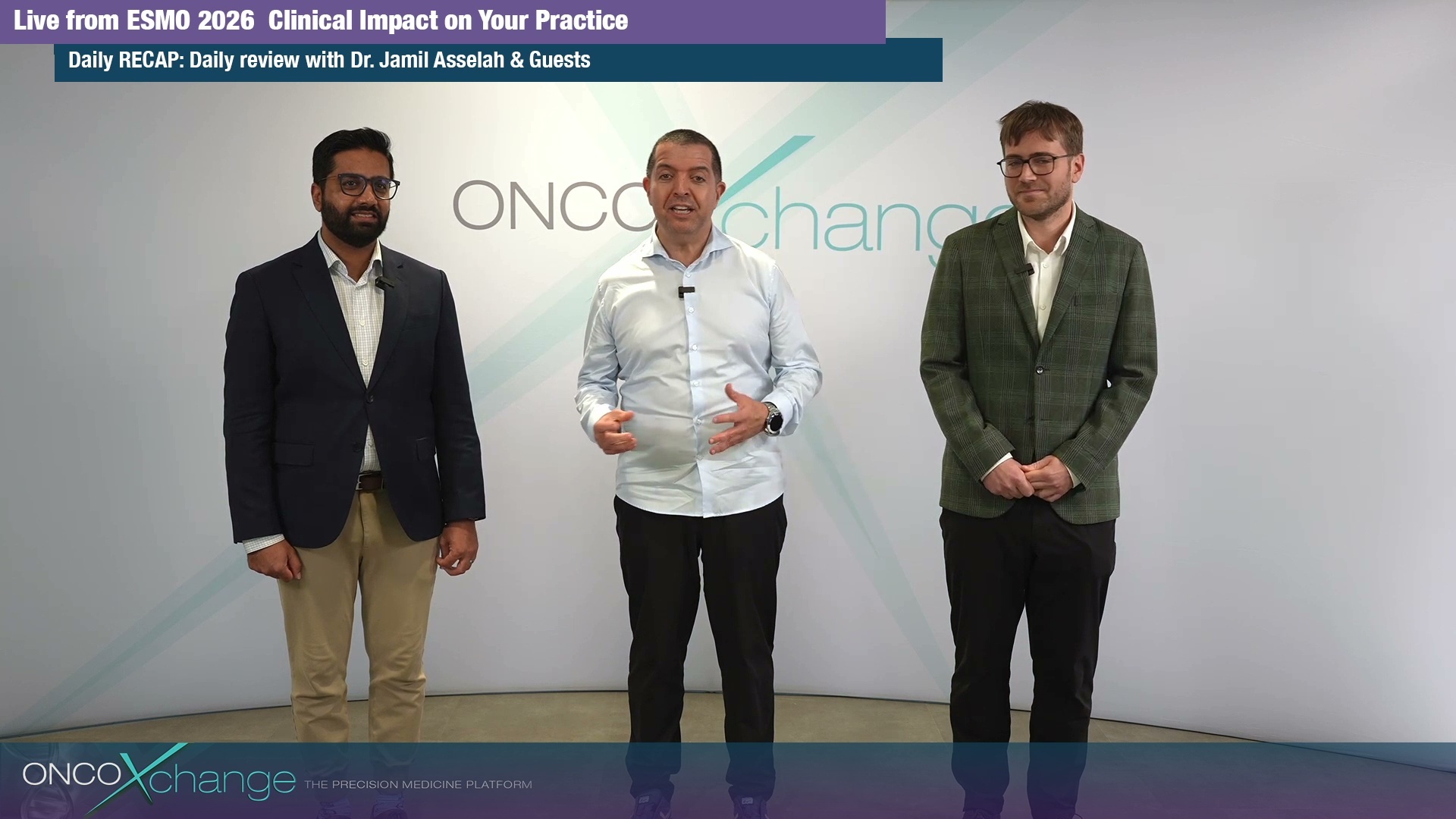
Drs. Jamil Asselah, Arif Awan and François Panet discuss breast cancer updates from NATALEE, TALENT and NSABP B-42, emerging ADCs, and what these findings could mean for clinical practice
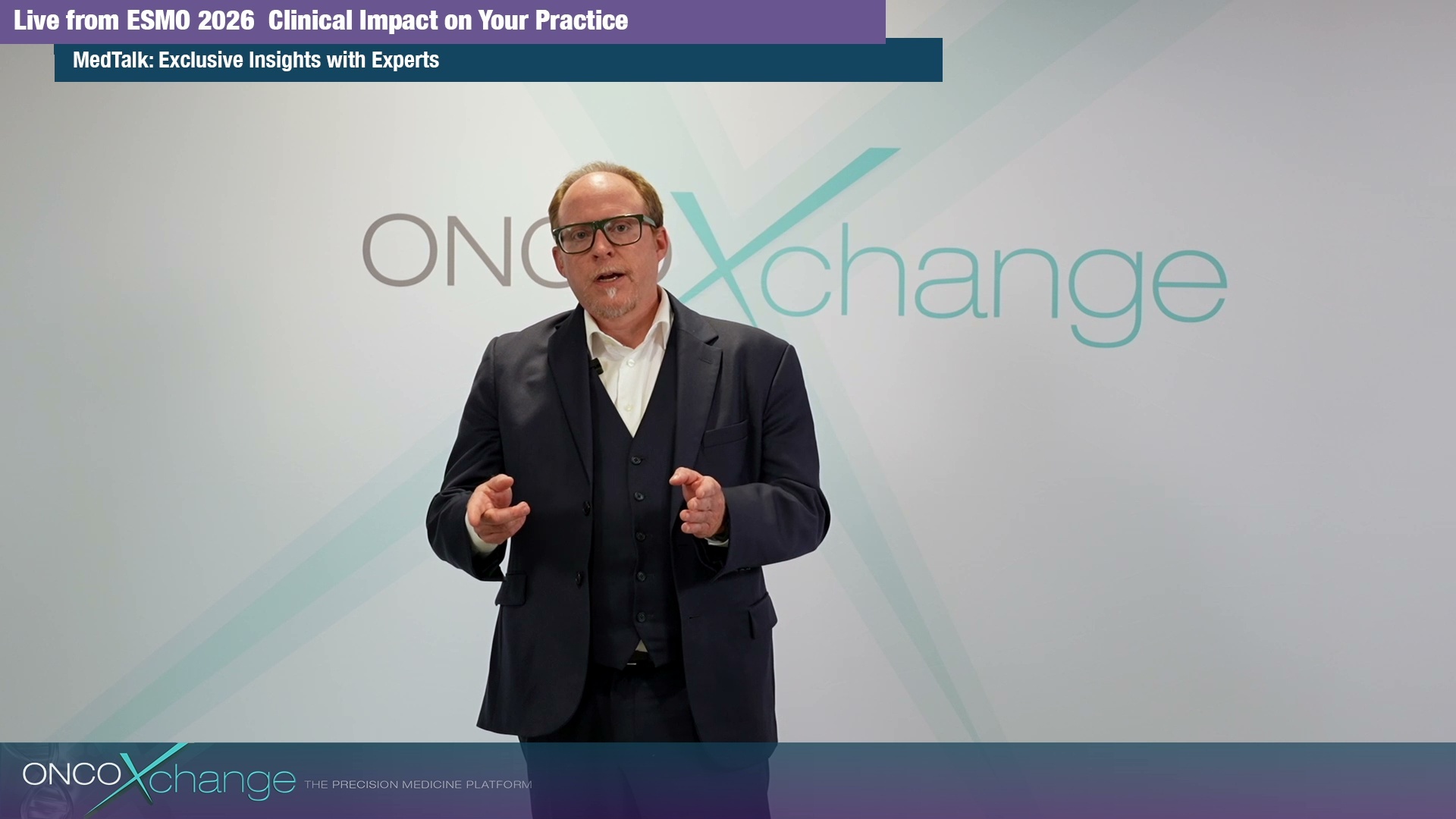
Dr. Jean-François Boileau reviews MRI findings from DESTINY-Breast11, highlighting tumour response with T-DXd followed by THP and the limitations of MRI in predicting pathological complete response in HER2-positive early breast cancer.
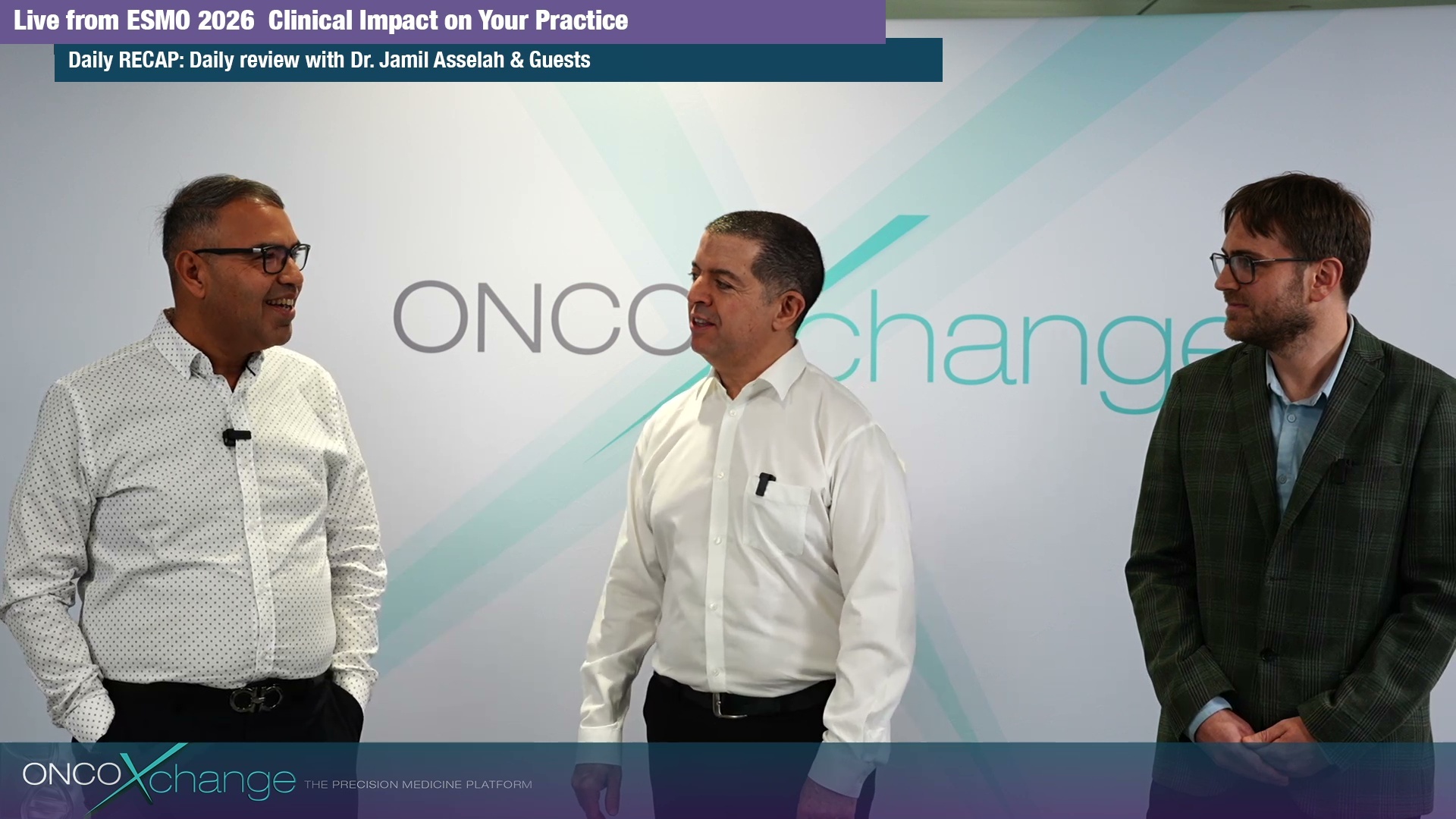
Drs. Jamil Asselah, Haidar Samawi and François Panet share Day 2 highlights from Madrid: ADCs and brain metastases, immunotherapy, VIKTORIA-1 and postMONARCH, with their perspectives on clinical practice.
Dr. Sara Hurvitz reviews TALENT, evaluating neoadjuvant T-DXd in HR-positive, HER2-low early breast cancer, with pCR rates below 10% and exploratory biomarker findings that may inform future patient selection.
Could immunotherapy have a role in endocrine-resistant HR+/HER2-negative advanced breast cancer? Dr. Hope Rugo shares the KEYNOTE-B49 findings and what they could mean for patient selection and clinical practice.
Dr. Sara Tolaney explores the evERA biomarker analysis, examining ctDNA, ESR1 mutations and what they could tell us about giredestrant plus everolimus after CDK4/6 inhibitor progression in HR-positive metastatic breast cancer.
After CDK4/6 progression, the search for new options continues. Dr. Antonio Giordano takes a closer look at FOURLIGHT-1 and atirmociclib plus fulvestrant in HR+/HER2-negative metastatic breast cancer.
Treatment through the patient’s eyes. Dr. Gustavo Werutsky discusses the lidERA patient-reported outcomes, focusing on quality of life, joint pain and tolerability with adjuvant giredestrant in ER+/HER2-negative early breast cancer.
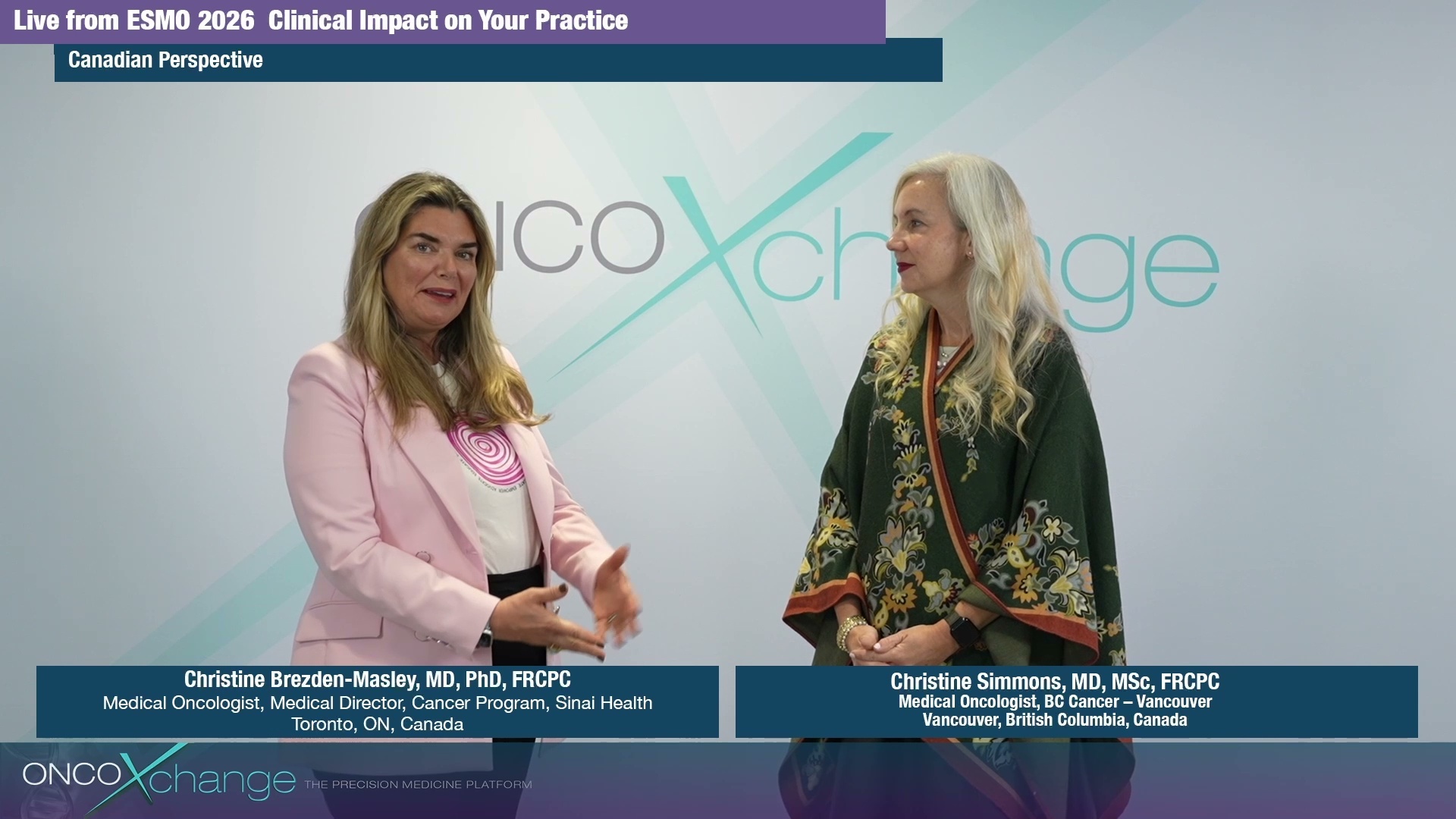
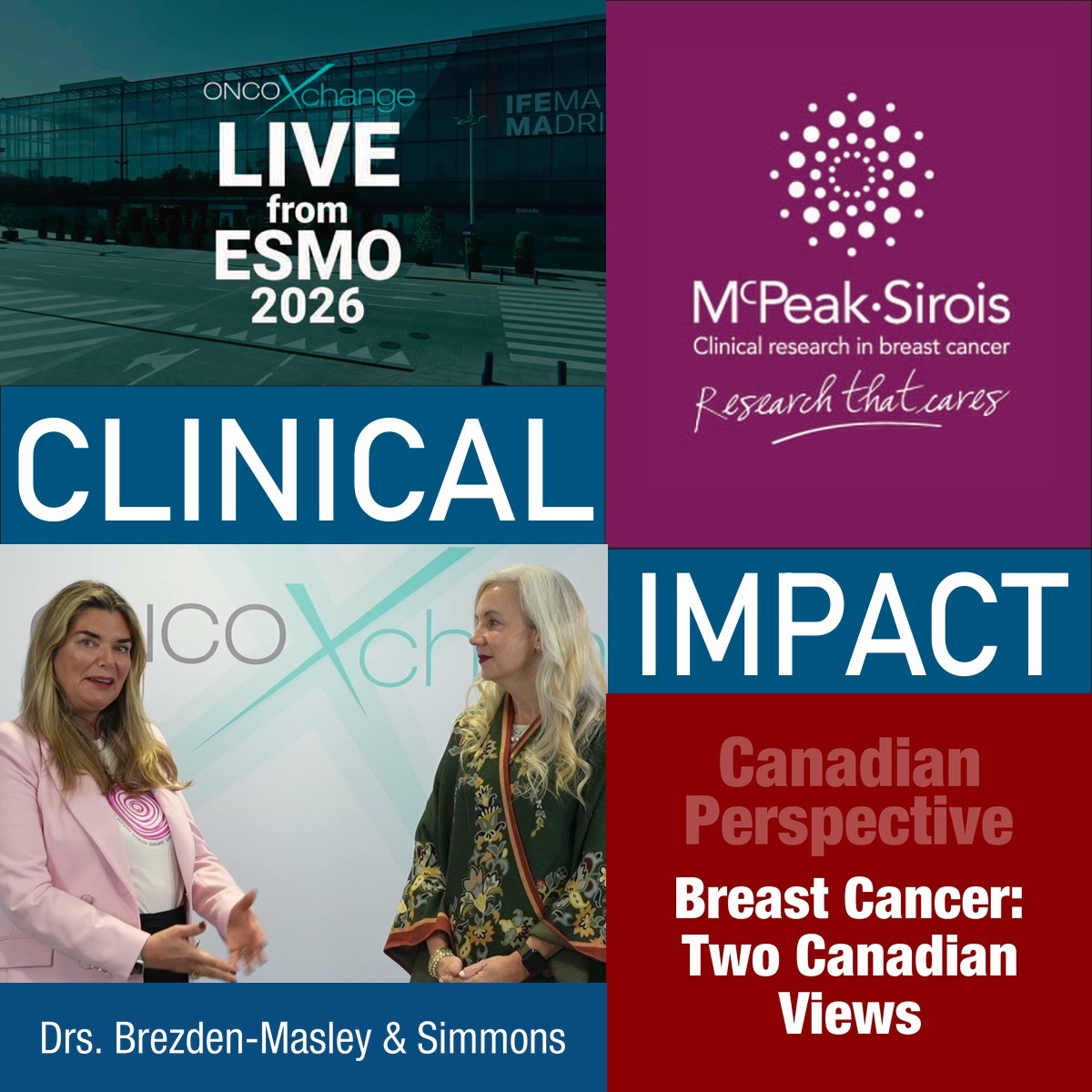
Drs. Christine Brezden-Masley and Christine Simmons bring two Canadian perspectives to a discussion on selective CDK4 inhibition, NATALEE, brain metastases and emerging ADCs in breast cancer.
Dr. Paolo Tarantino shares his ESMO highlights on selective CDK4 inhibitors, immunotherapy and emerging ADCs, alongside CHARISMA and the search for biomarkers to guide treatment selection and understand resistance.
Wrapping up ESMO 2026, Drs. Rami Younan and François Panet review breast cancer highlights, from ADC sequencing to brain and leptomeningeal metastases, with a Canadian perspective on treatment decisions and access.
Putting trial design in the context of everyday care, Dr. Nathalie LeVasseur discusses FOURLIGHT-1, postMONARCH and biomarker-guided treatment choices after CDK4/6 progression in HR+/HER2-negative metastatic breast cancer.
Tracking treatment through blood samples. Dr. Carlos Barcenas introduces B-STRONGER-I and explores ultra-sensitive ctDNA monitoring during neoadjuvant therapy, with a look at future directions in early triple-negative breast cancer.
Progress in metastatic breast cancer brings new responsibilities for care. Dr. Christine Simmons offers a Canadian reflection on quality of life, oncology capacity, monitoring and the cost of new treatments.
Dr. Hongxia Wang of Fudan University Shanghai Cancer Center takes us inside a phase 1/2 study of a B7-H3-targeting ADC in advanced breast cancer, exploring its design and the next steps in clinical development.
The postMONARCH story continues. Dr. Kevin Kalinsky puts the final overall survival analysis into perspective, alongside updated efficacy and safety data, in advanced breast cancer after progression on a CDK4/6 inhibitor.
Genomic testing through an Egyptian lens. Dr. Hatem Azim explores the role of Oncotype DX in breast cancer treatment decisions, bringing attention to a population underrepresented in research and the challenges of test access.
A blood-based perspective on breast cancer follow-up. Dr. Yukinori Ozaki examines JCOG1204A1 and the potential role of ctDNA monitoring in detecting recurrence after surgery.
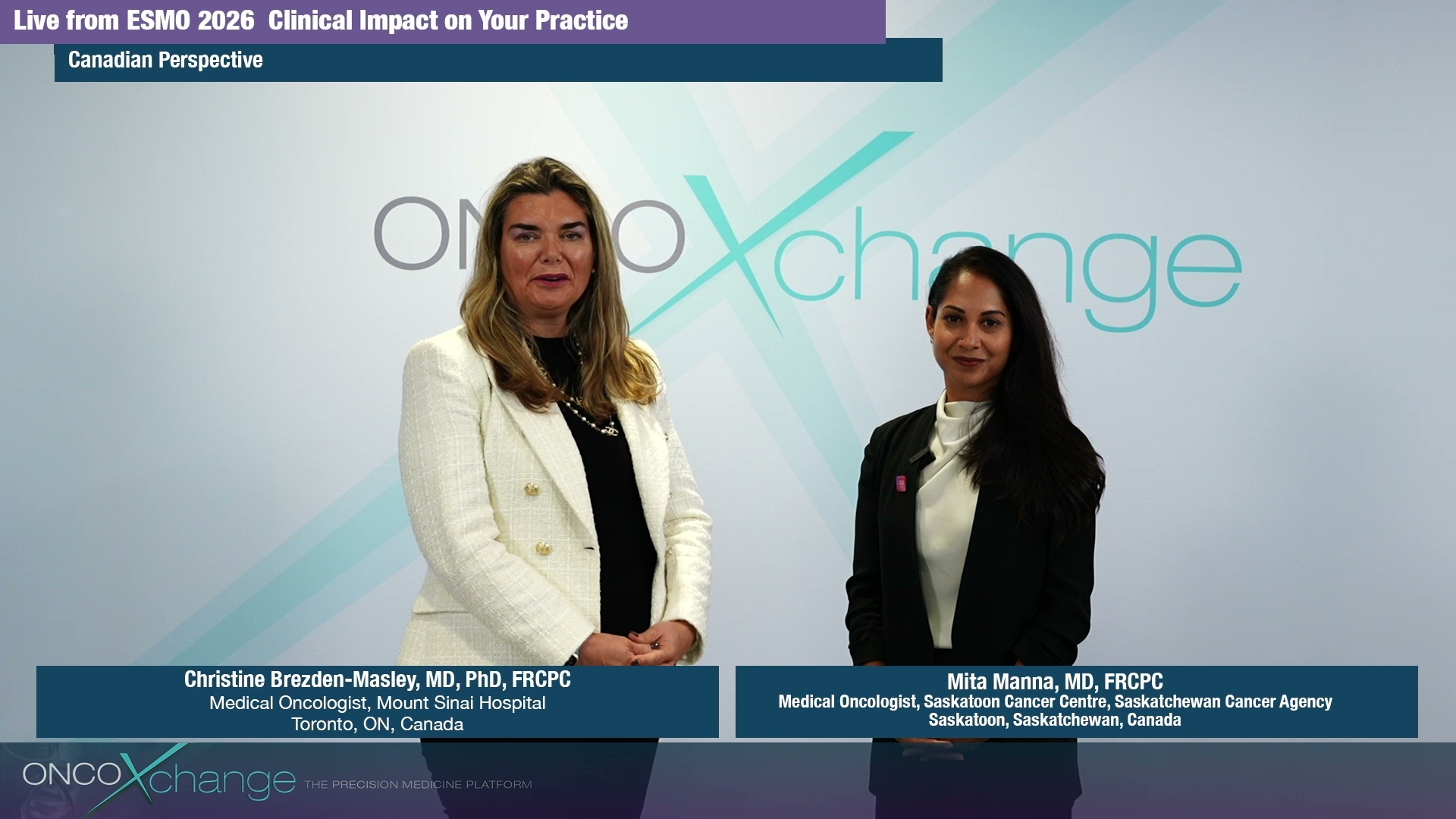
Two Canadian colleagues, one lively exchange. Drs. Christine Brezden-Masley and Mita Manna discuss emerging ADCs, treatment sequencing and brain metastases, connecting ESMO breast cancer research with questions facing Canadian clinicians.
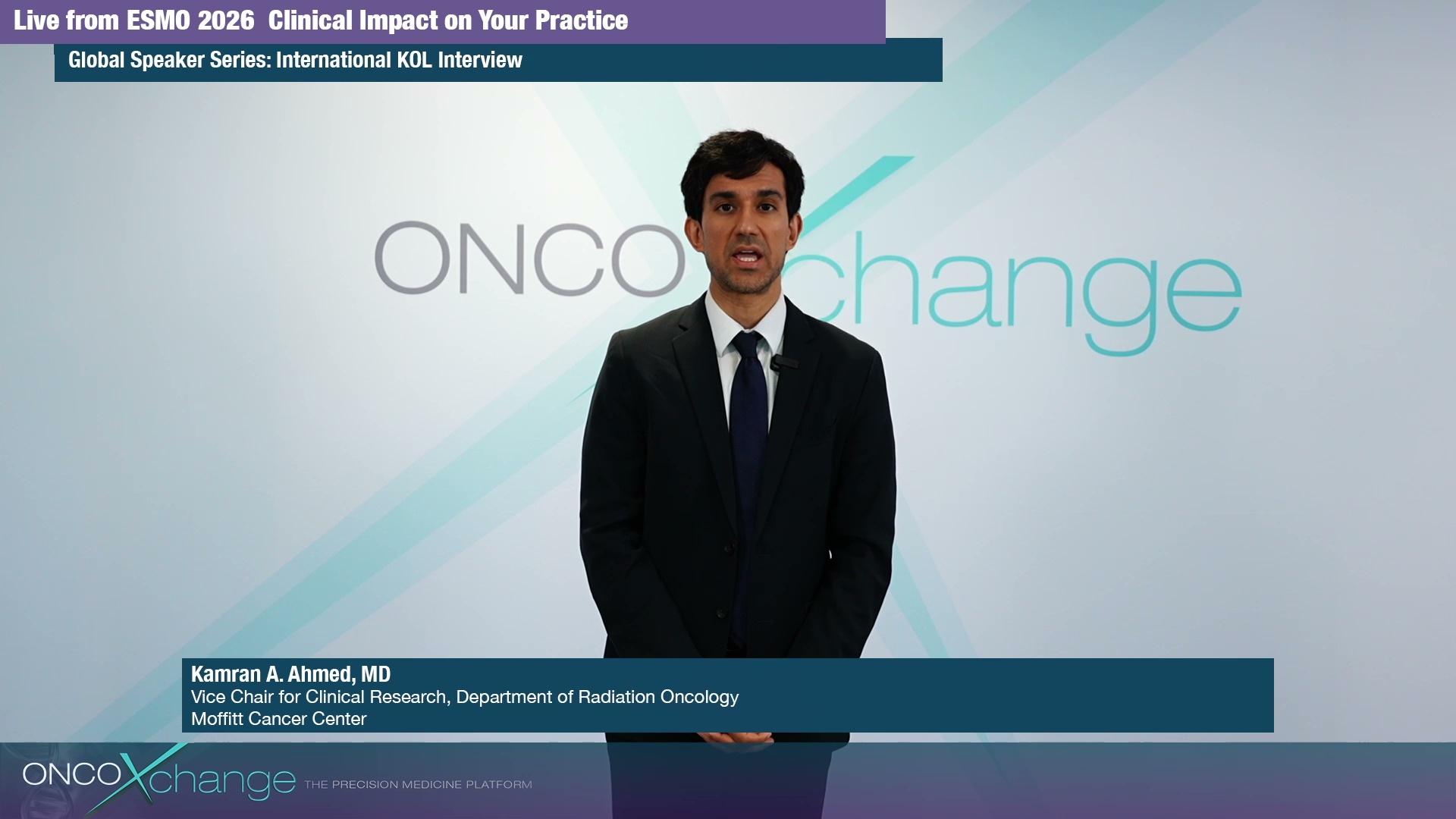
Addressing an urgent unmet need in HER2-positive breast cancer, Dr. Kamran Ahmed presents INSPIRE-LM, a phase II trial exploring radiation followed by intrathecal trastuzumab and pertuzumab for leptomeningeal metastases.
Comments (0)