SABCS 2025 - Complete program listing (24)
December 2025
Daily recaps and interviews from the SABCS 2025
DAY 1
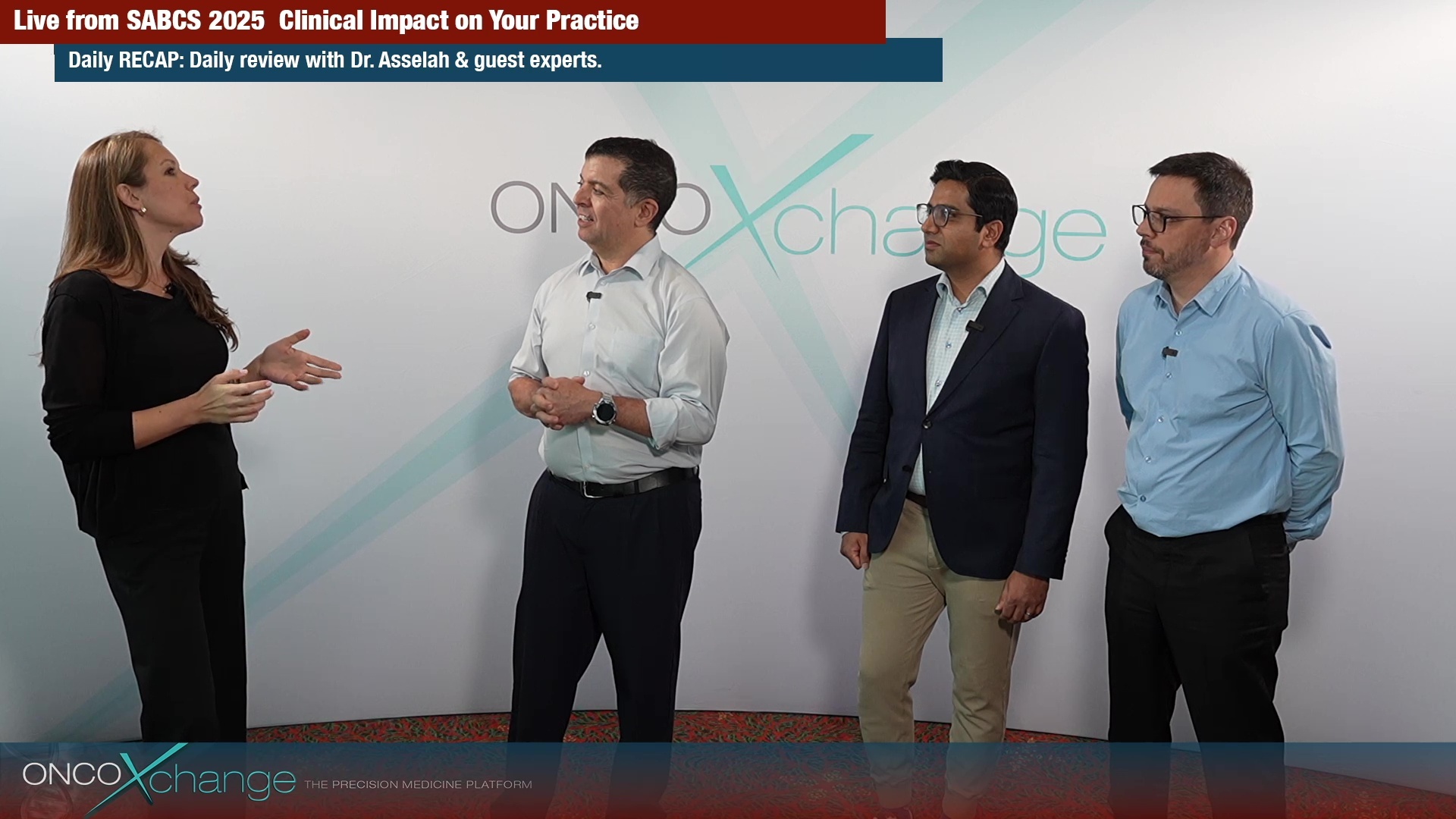 Four medical oncologists- Dr. Jamil Asselah from MUHC, Quebec, Dr. Katarzyna Jerzak from Sunnybrook, Ontario, Dr. Arif Awan from Ottawa Hospital, and Dr. Pedro Moraes from São Paulo - discuss key abstracts from SABCS. Highlights include the HER2CLIMB-05 trial for HER2-positive metastatic breast cancer, the lidERA study of an oral SERD (giredestrant) in the adjuvant setting, and the ASCENT-07 trial of sacituzumab govitecan.
 Dr. Frederick Howard, breast oncologist at the University of Chicago, discusses SABCS 2025 data on how digital histology models can predict recurrence risk and chemotherapy benefit in early-stage HR+/HER2- breast cancer, complementing traditional gene-expression testing.
 Barbara Segarra-Vásquez, patient advocate at the University of Puerto Rico, shares her perspective from SABCS 2025. She reflects on the evolving role of patient advocates as partners in breast-cancer research, emphasizing collaboration, quality of life, and meaningful progress for patients
DAY 2
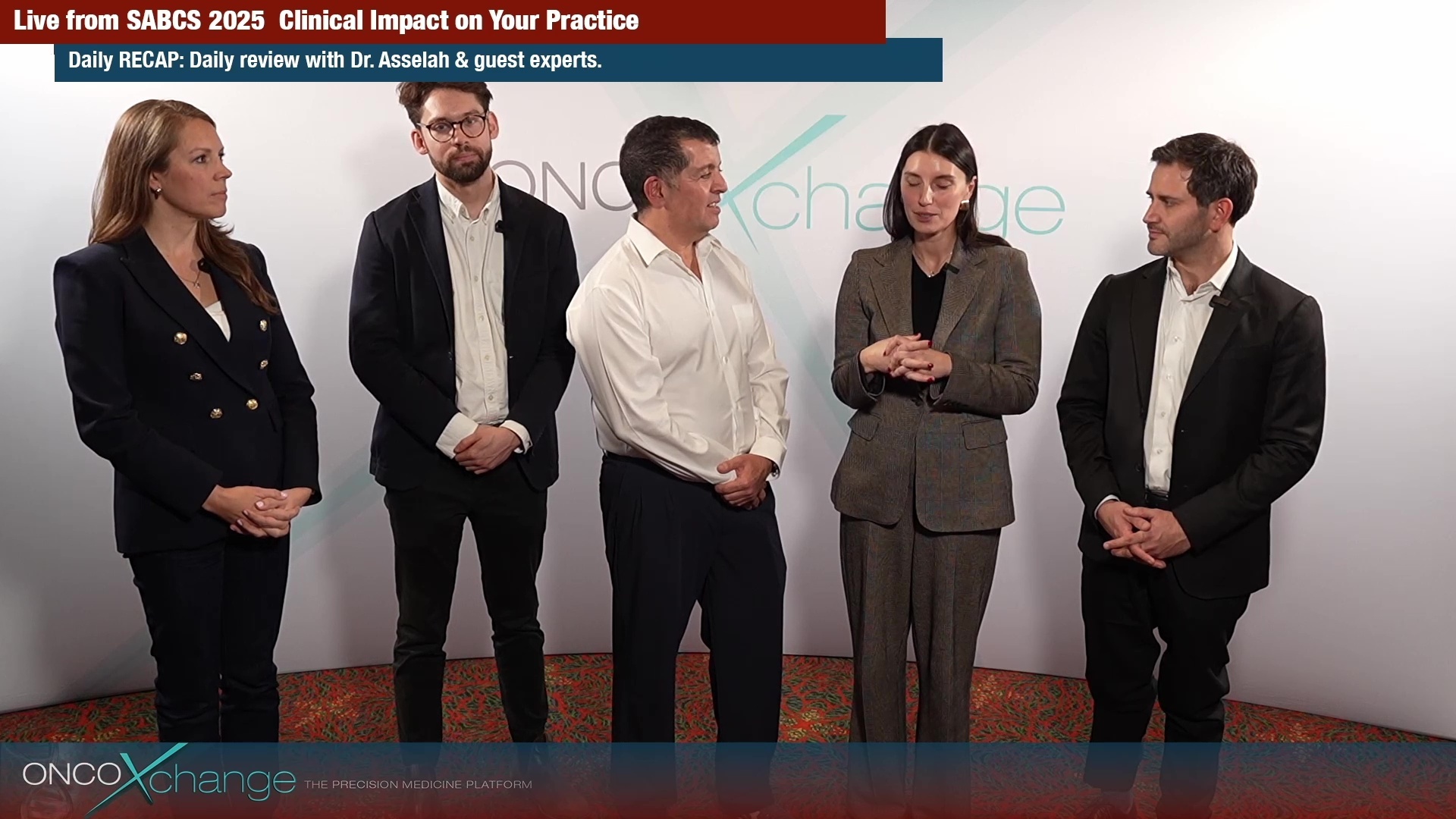 Dr. Jamil Asselah and a panel of surgeons and medical oncologists review key SABCS 2025 Day 2 highlights, including axillary surgery de-escalation trials, updates from PATINA and HER2CLIMB-05, evolving first-line HER2+ strategies, and new data shaping imaging, endocrine therapy, and brain metastasis management.
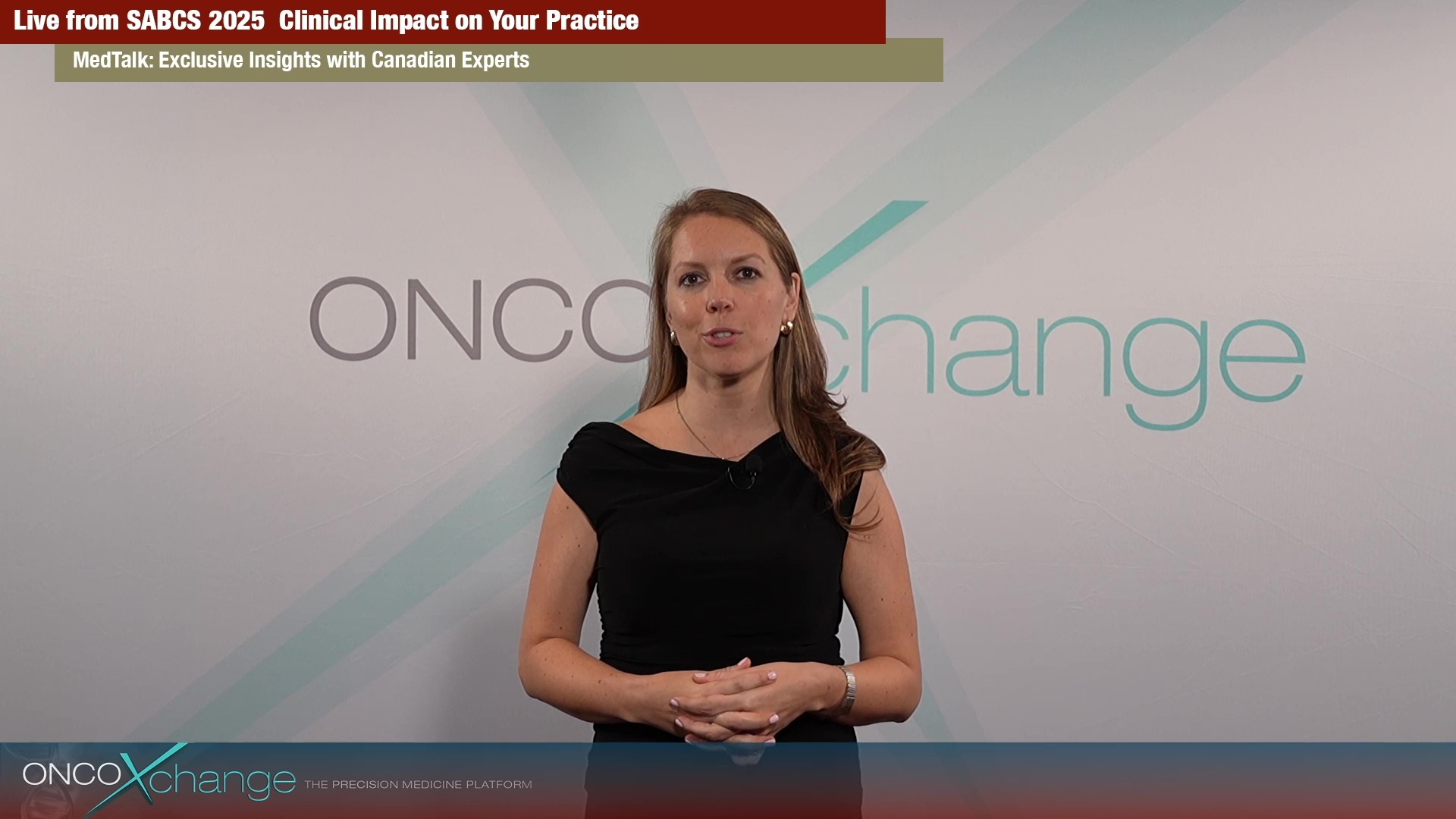 Dr. Katarzyna Jerzak reviews SABCS 2025 results from HER2CLIMB-05, where tucatinib maintenance significantly improved progression-free survival in HER2-positive metastatic breast cancer, with benefit across hormone-receptor subgroups and a well-tolerated safety profile.
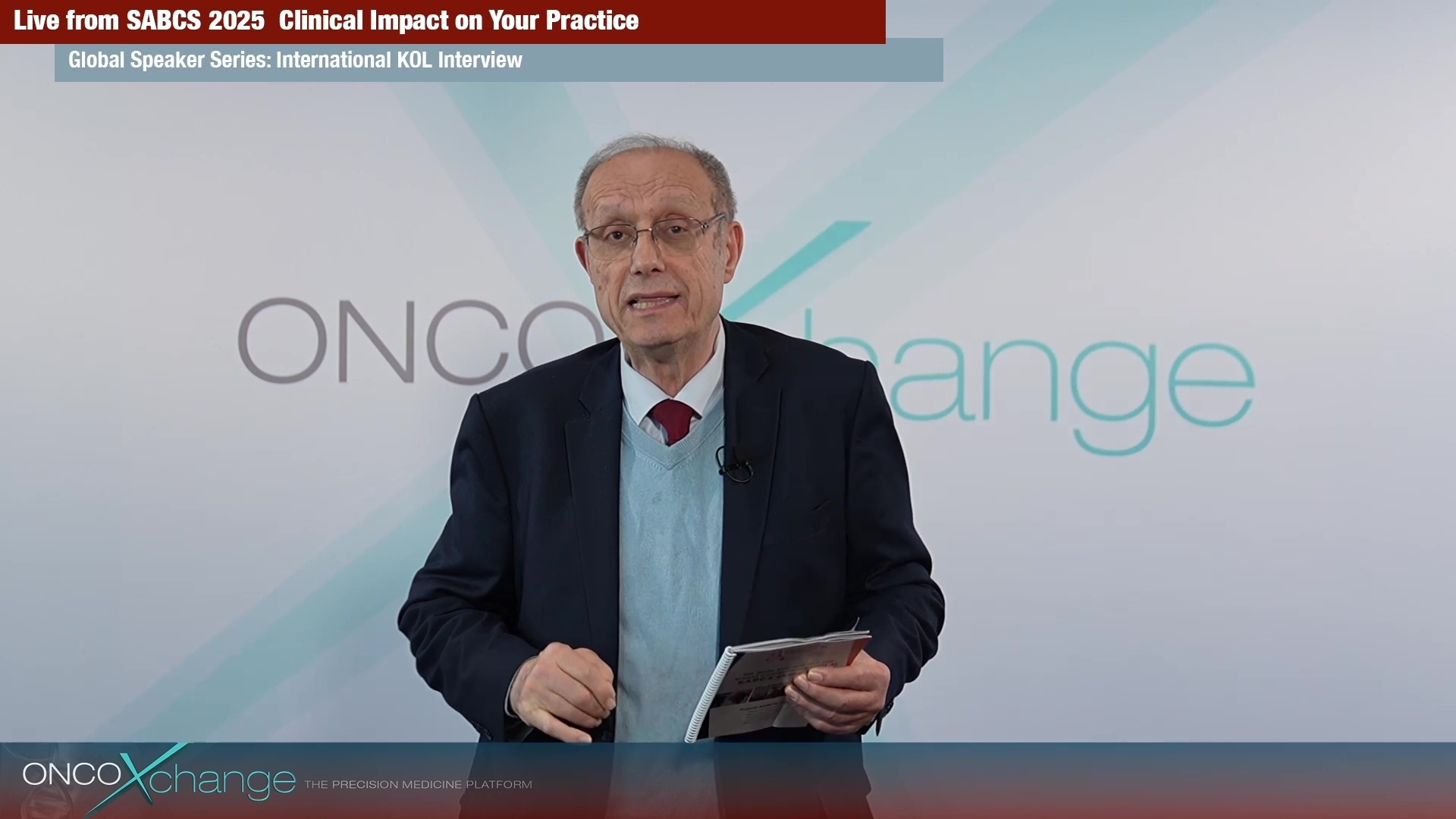 Dr. Nagi El-Saghir summarizes key advances from SABCS 2025, highlighting results from HER2CLIMB-05 and evolving treatment options for metastatic HER2-positive breast cancer. He reviews maintenance strategies, T-DXd combinations, and how new regimens are improving outcomes.
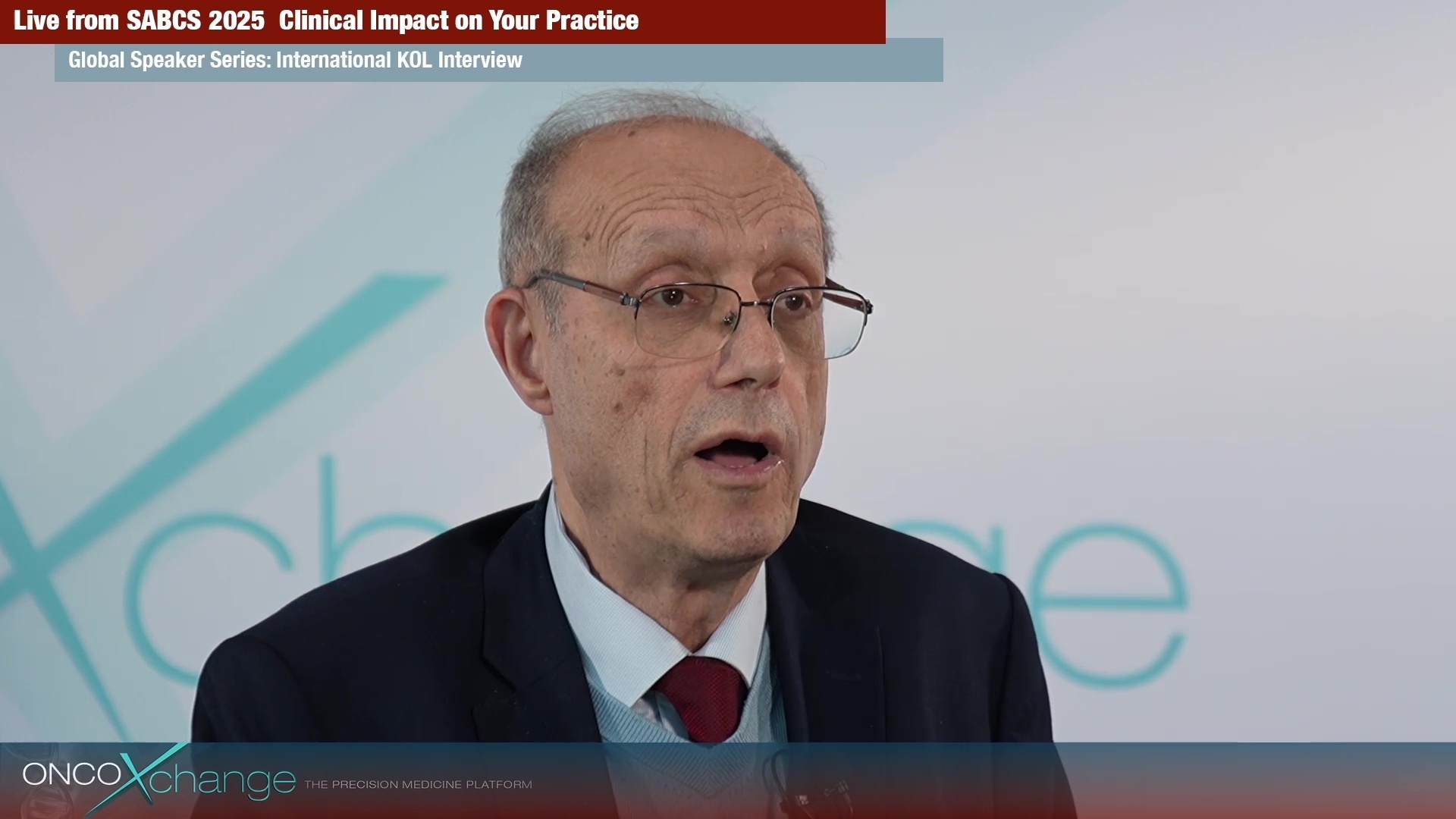 Dr. Nagi El-Saghir reviews major SABCS 2025 advances in adjuvant endocrine therapy for HR-positive breast cancer, highlighting the oral SERD jeridistran, which improved invasive disease-free survival compared with standard therapy, and discussing how it may integrate with CDK4/6 inhibitors in high-risk patients.
 Dr. Joseph Sparano presents new SABCS 2025 findings from a TAILORx biospecimen analysis leading to the development of an AI-based multimodal test (ICM-plus) for ER+/HER2-, node-negative early breast cancer, offering improved long-term prognostic stratification beyond existing genomic assays.
 Dr. Carlos González Núñez (Mexico City) reviews exciting SABCS 2025 advances for HR+/HER2- metastatic breast cancer, focusing on options after CDK4/6 inhibitor progression. He highlights phase 2 SUMMIT data with samuraciclib plus fulvestrant, showing promising PFS and a manageable safety profile.
 Dr. Véronique Diéras presents SABCS 2025 results from the AMBRE trial evaluating abemaciclib plus endocrine therapy vs chemotherapy in HR+/HER2- metastatic breast cancer with high visceral tumor burden, showing a progression-free survival benefit with abemaciclib.
 Dr. Chiara Corti (Dana-Farber) presents a feasibility study at SABCS 2025 using a machine-learning immune-profiling platform to explore biomarkers predicting immunotherapy benefit in early TNBC. Early signals suggest blood-based immune profiling may complement tissue-based approaches.
 Dr. Christos Sotiriou presents new insights on lobular breast cancer at SABCS 2025, outlining four biologically distinct subtypes with potential clinical implications and highlighting data suggesting that PI3K inhibitors may benefit lobular tumors by targeting both cancer cells and the tumor microenvironment.
 Dr. Aditya Bardia reviews findings from the phase 3 lidERA trial evaluating oral SERD geridestrant in stage I–III ER+/HER2- breast cancer. The study showed improved invasive disease-free and distant recurrence outcomes compared to standard endocrine therapy, along with a safety profile consistent with prior experience.
DAY 3
 Dr. Jamil Asselah reviews the key findings from Day 3 of SABCS 2025, integrating major updates from both SABCS and ESMO. He highlights the most practice-changing data and offers guidance on how clinicians should interpret and apply these results in care.
 Dr. Amrita Basu highlights UCSF and I-SPY Trial research using AI to integrate patient-reported outcomes into real-time care—leveraging symptom and quality-of-life data to detect early toxicity signals and streamline clinical decision-making.
 Hannah Harsanyi (Cancer Care Alberta) presents SABCS 2025 research linking higher physical activity to reduced breast cancer risk in both pre- and post-menopausal women, highlighting its protective effect across reproductive factors and implications for precision prevention.
 Dr. Charles Geyer reviews SABCS 2025 results using a multimodality AI model to reanalyze the NSABP B-20 trial. He highlights how AI-derived scores may help assess distant-recurrence risk and explore chemotherapy benefit, with potential for broad clinical applicability.
 Dr. Mita Manna reports live from SABCS 2025, highlighting major advances across HER2+ and HR+ metastatic disease, as well as new adjuvant SERD data. She discusses how these findings may influence treatment decisions in Canada and upcoming REAL Alliance guidance.
 Dr. Sonya Reid highlights key SABCS 2025 advances in metastatic TNBC and HER2-positive disease, including first-line shifts toward ADCs and important updates from the HER2CLIMB-05 maintenance study.
POST SABCS
 Dr. Kevin Kalinsky reviews key breast cancer updates discussed at SABCS 2025, including HER2CLIMB-05 and DESTINY-Breast09 in HER2-positive disease, as well as emerging SERD data such as giredestrant in HR-positive breast cancer, highlighting evolving options beyond traditional endocrine therapy.
 Dr. Erika Hamilton discusses HER2CLIMB-05 from SABCS 2025, showing that tucatinib added to first-line HP maintenance significantly improved PFS in HER2-positive metastatic breast cancer, offering a new maintenance option for HR-negative disease and an alternative for HR-positive disease.
 Dr. Paolo Tarantino reviews key SABCS updates, including lidERA with adjuvant giredestrant, HER2CLIMB-05 maintenance with tucatinib, and emerging neoadjuvant PARP inhibitor data. He also discusses negative and evolving results shaping future endocrine and metastatic strategies.
 Dr. Xiaofu Zhu reviews high-impact SABCS 2025 data, focusing on HER2CLIMB-05 maintenance tucatinib in advanced HER2-positive disease and the lidERA adjuvant SERD trial, highlighting practice-shaping implications for early and metastatic breast cancer care.
 Dr. Ruth O’Regan presents SABCS 2025 data showing how the Breast Cancer Index (BCI) identifies premenopausal patients with early-stage HR-positive, node-negative breast cancer at minimal risk of distant recurrence, helping guide less intensive endocrine therapy decisions.
Comments (0)