Dr. Mitri highlights the ASCO 2026 studies most likely to shape breast cancer care, from ADCs and HER2-targeted therapies to oral SERDs, ctDNA-guided treatment, and genomic testing.
Dr. Christine Brezden-Masley reviews the ASCO 2026 OPTIMA trial, highlighting how Prosigna-guided treatment identified many high-risk ER-positive, HER2-negative patients who may safely avoid chemotherapy while achieving excellent outcomes.
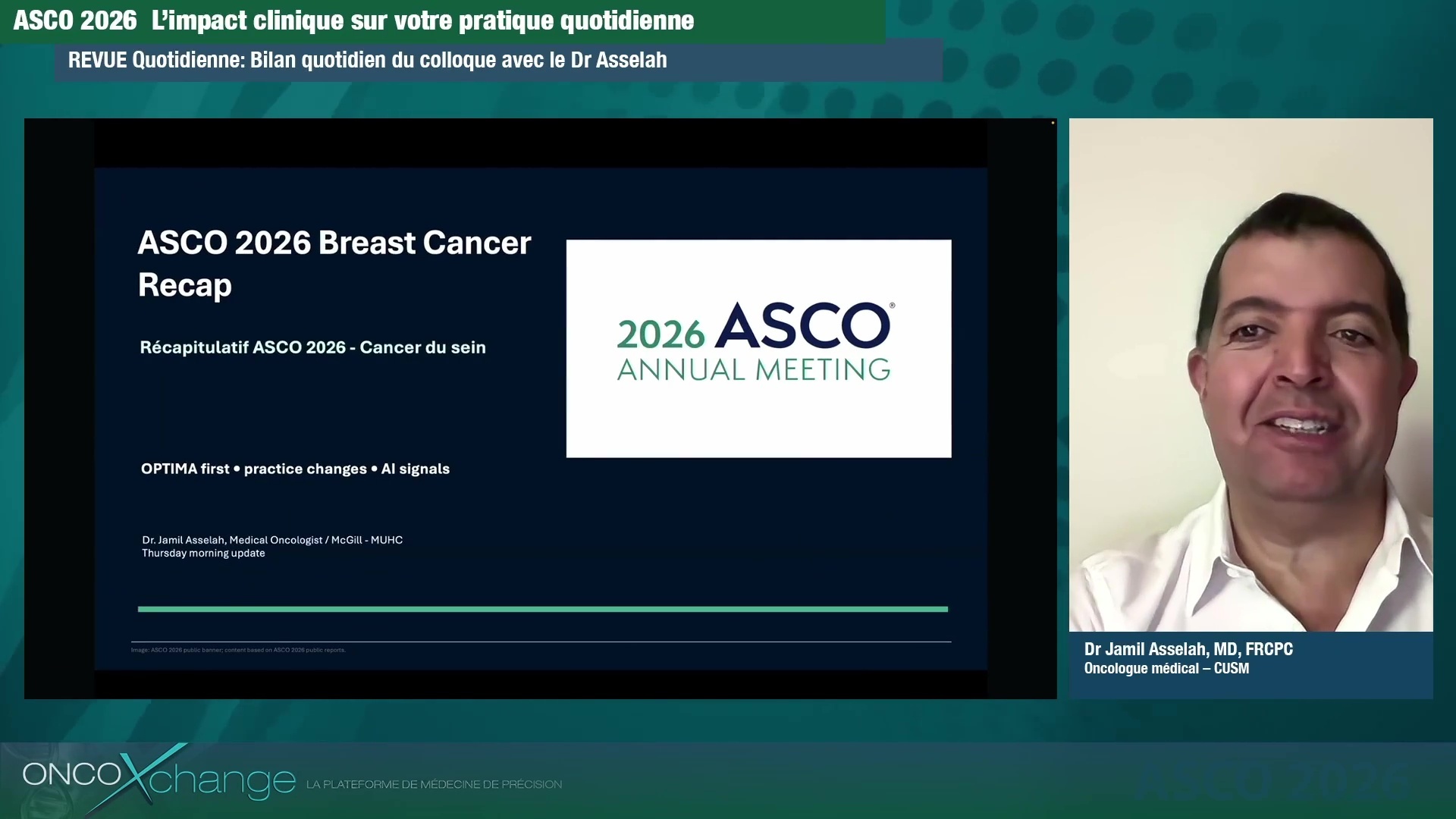
Le Dr Jamil Asselah passe en revue les avancées les plus marquantes en cancer du sein présentées à l’ASCO 2026, notamment l’étude OPTIMA, les stratégies thérapeutiques guidées par l’ADN tumoral circulant (ADNtc), DESTINY-Breast09 et les applications émergentes de l’intelligence artificielle en oncologie de précision.
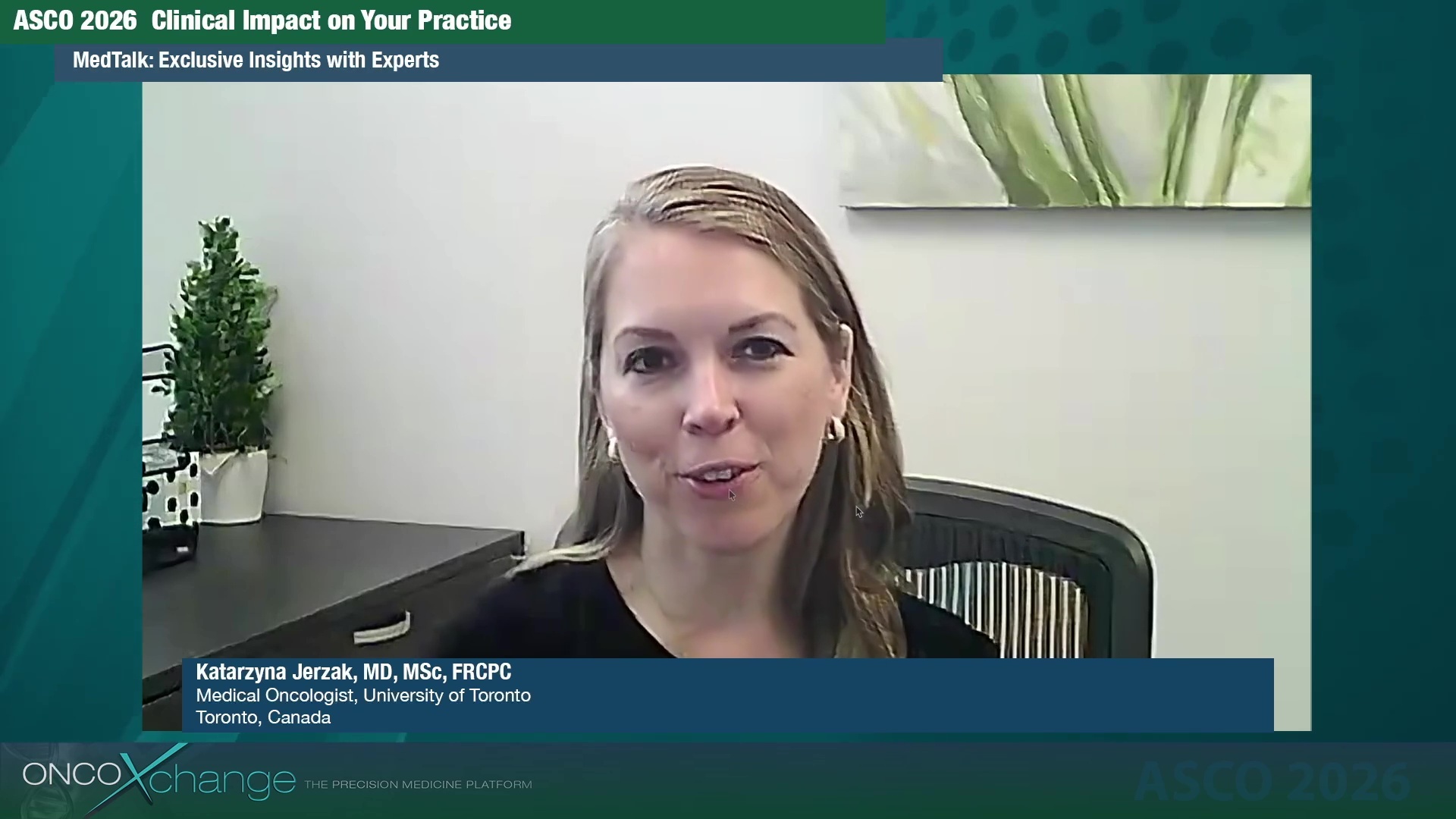
Dr. Katarzyna Jerzak reviews key ASCO 2026 updates in HER2-positive metastatic breast cancer, including DB-09, HER2CLIMB-05, evolving maintenance strategies, and their implications for recent ESMO guidelines and upcoming REAL Alliance recommendations.
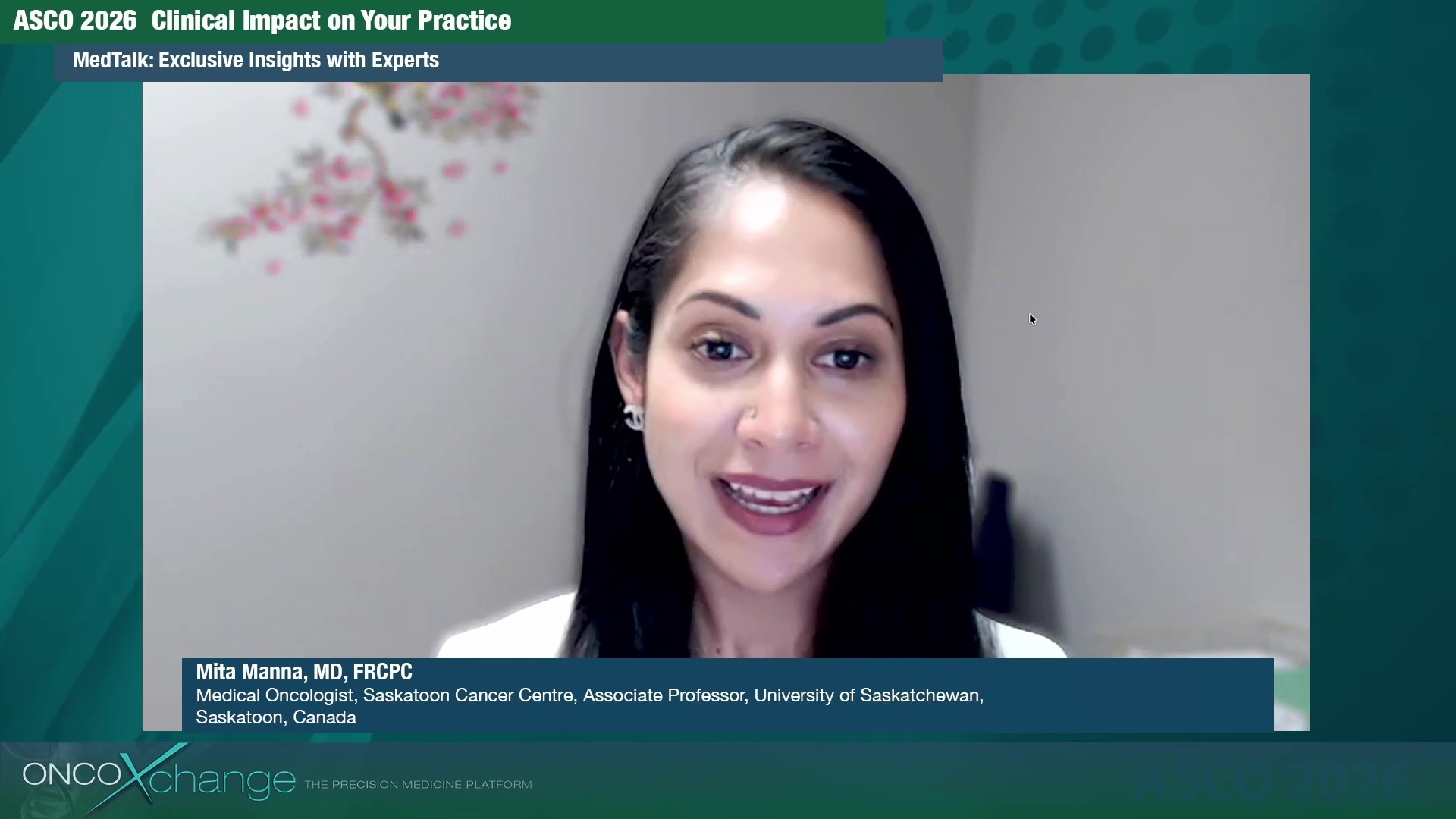
Dr. Mita Manna reviews ASCO 2026 data on GLP-1 receptor agonists, breast cancer outcomes, and emerging links between social determinants and tumor biology.
Principales mises à jour de l’ASCO 2025 en cancer du sein précoce, mettant en lumière les données émergentes soutenant l’optimisation des traitements, les possibilités de désescalade thérapeutique chez les patientes présentant une maladie à faible risque biologique, ainsi que le rôle croissant des interventions métaboliques et du mode de vie dans l’amélioration des résultats pour les patientes.
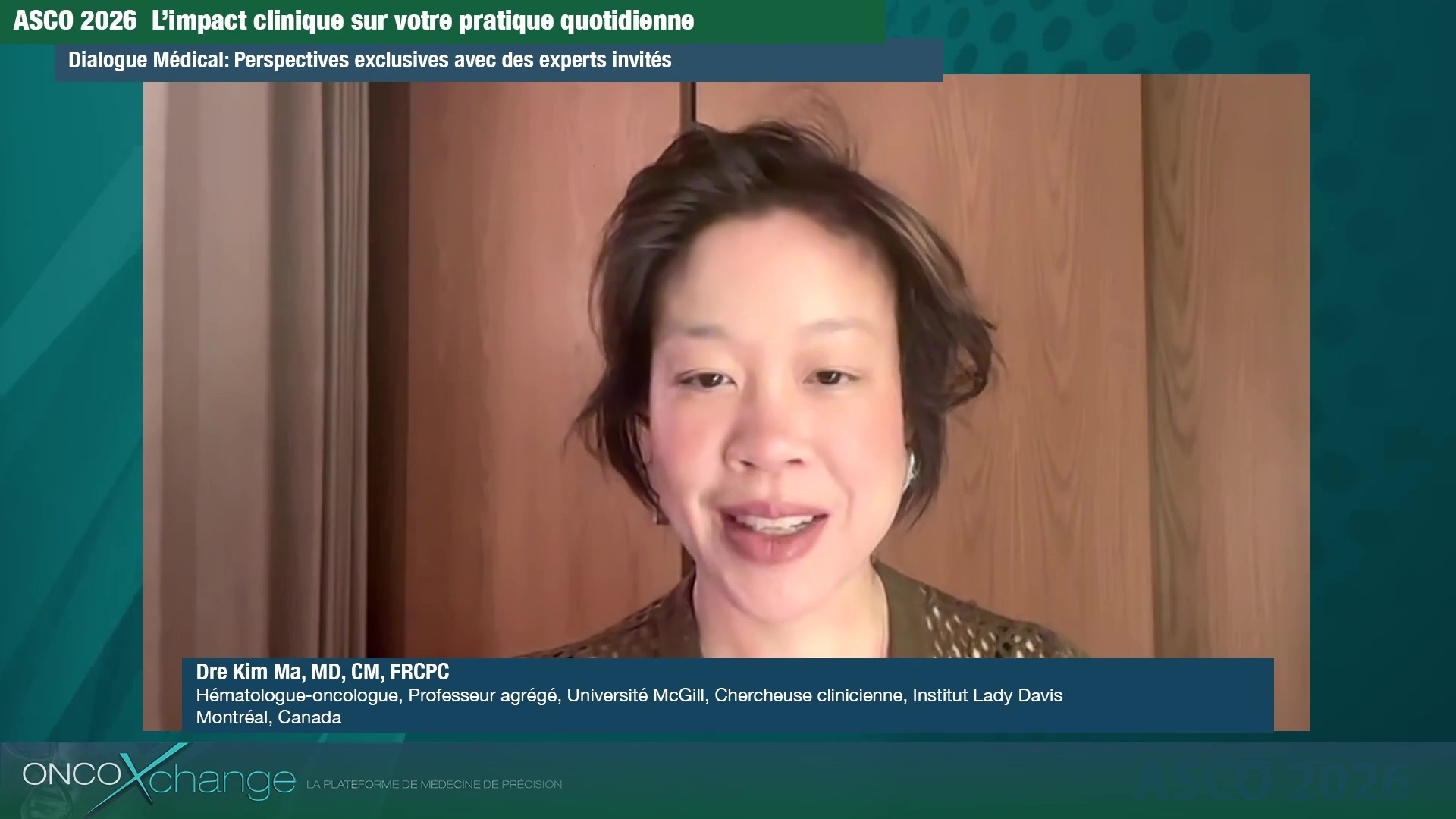
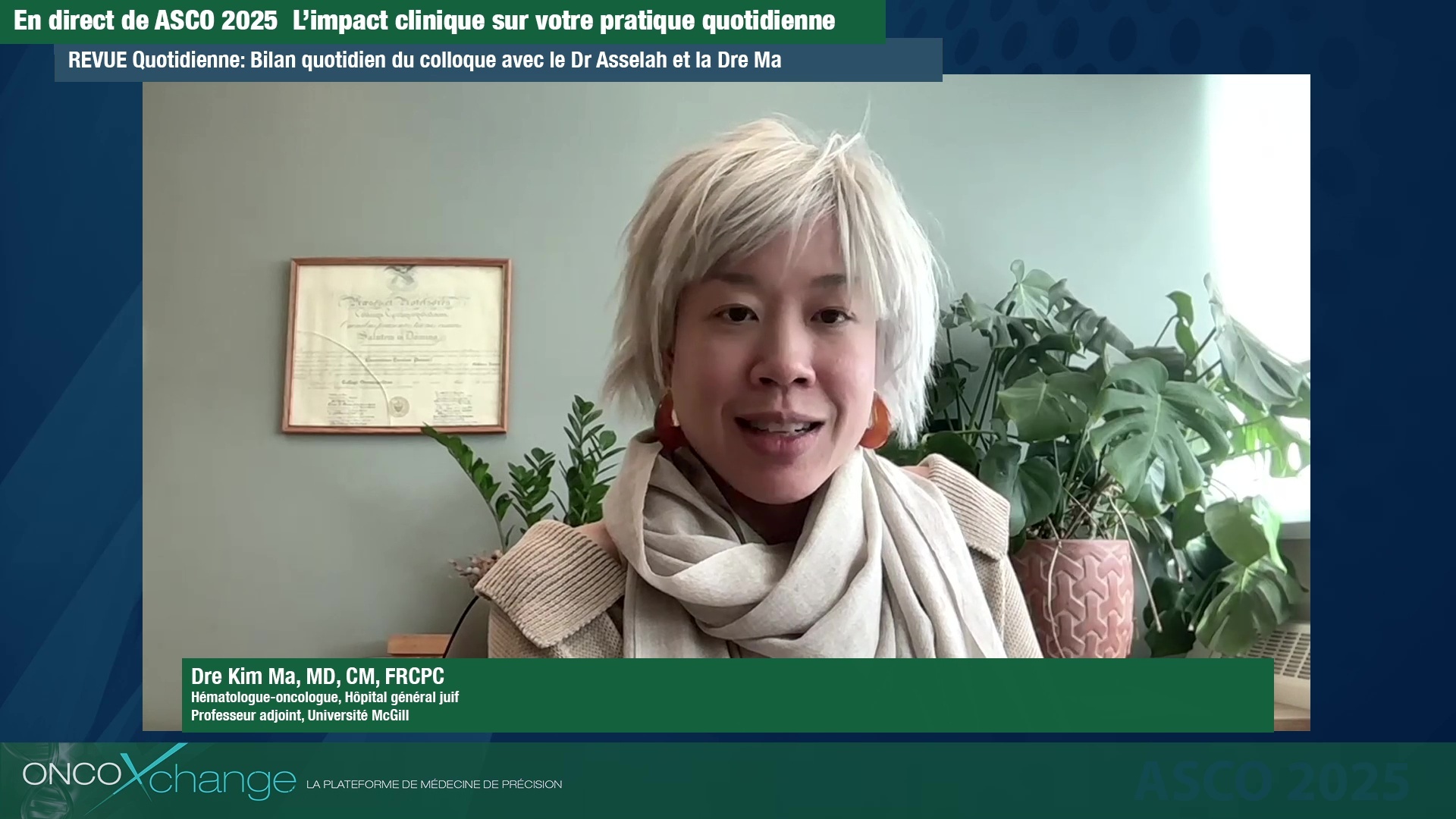
La Dre Kim Ma présente les principales mises à jour de l’ASCO 2026 en cancer du sein précoce, notamment les données appuyant l’omission du curage ganglionnaire axillaire chez certaines patientes sélectionnées, ainsi que les résultats prometteurs de l’étude Neo-Healer en traitement néoadjuvant du cancer du sein HER2 positif.
Prof. Sylvie Lambert discusses the real-world implementation of patient-reported outcome measures (PROMs), sharing key lessons, challenges, and practical strategies for embedding patient-centered care into routine oncology practice.
Dr. Mitta Manna reviews key 2025 updates across HER2-positive, triple-negative, and HR+ metastatic breast cancer, highlighting antibody–drug conjugates, biomarker-driven therapies, and the shift toward escalation and de-escalation strategies guided by patient selection and consensus recommendations.
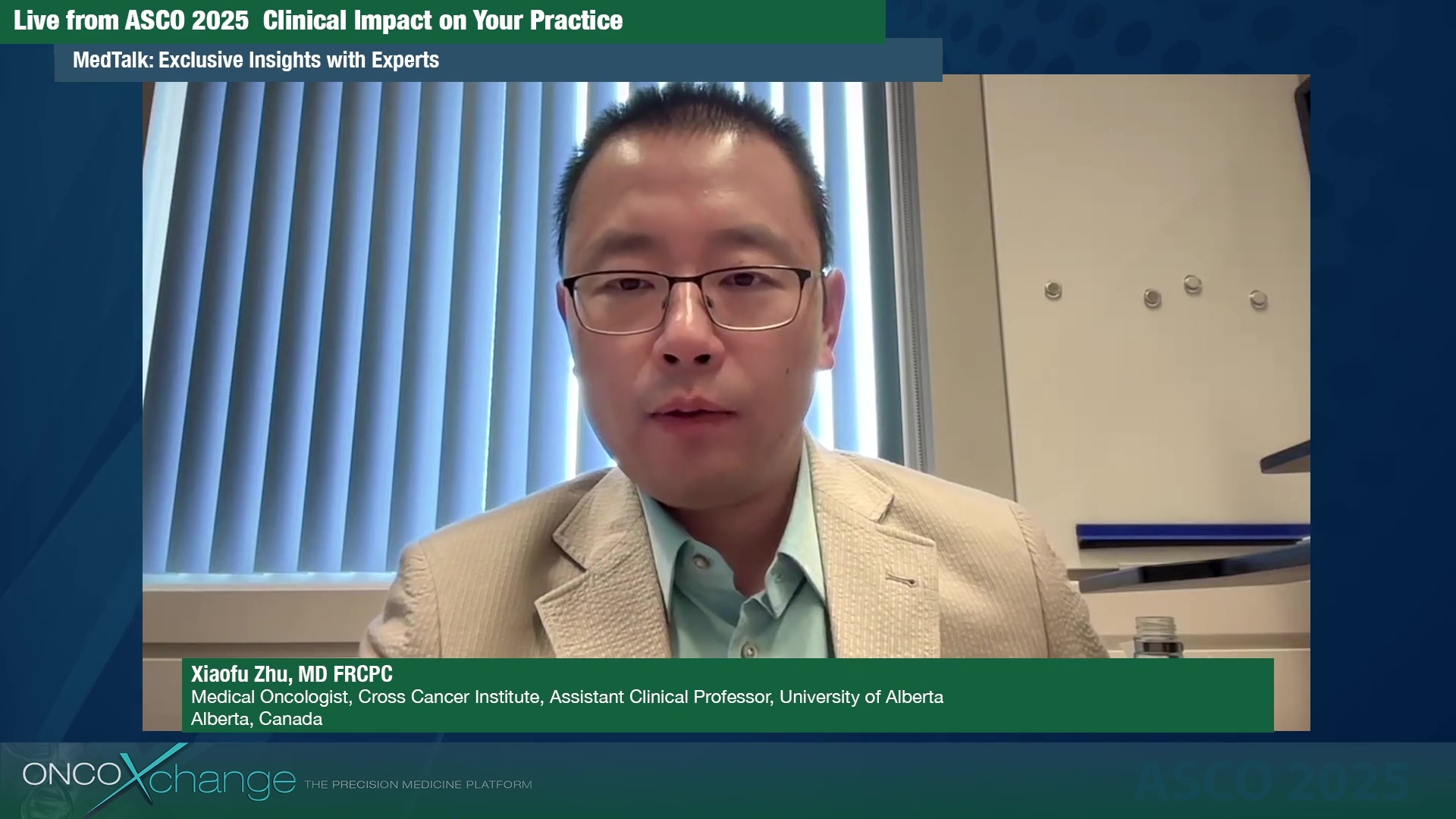
Dr. Xiaofu Zhu reviews high-impact SABCS 2025 data, focusing on HER2CLIMB-05 maintenance tucatinib in advanced HER2-positive disease and the lidERA adjuvant SERD trial, highlighting practice-shaping implications for early and metastatic breast cancer care.
Dr. Ruth O’Regan presents SABCS 2025 data showing how the Breast Cancer Index (BCI) identifies premenopausal patients with early-stage HR-positive, node-negative breast cancer at minimal risk of distant recurrence, helping guide less intensive endocrine therapy decisions.
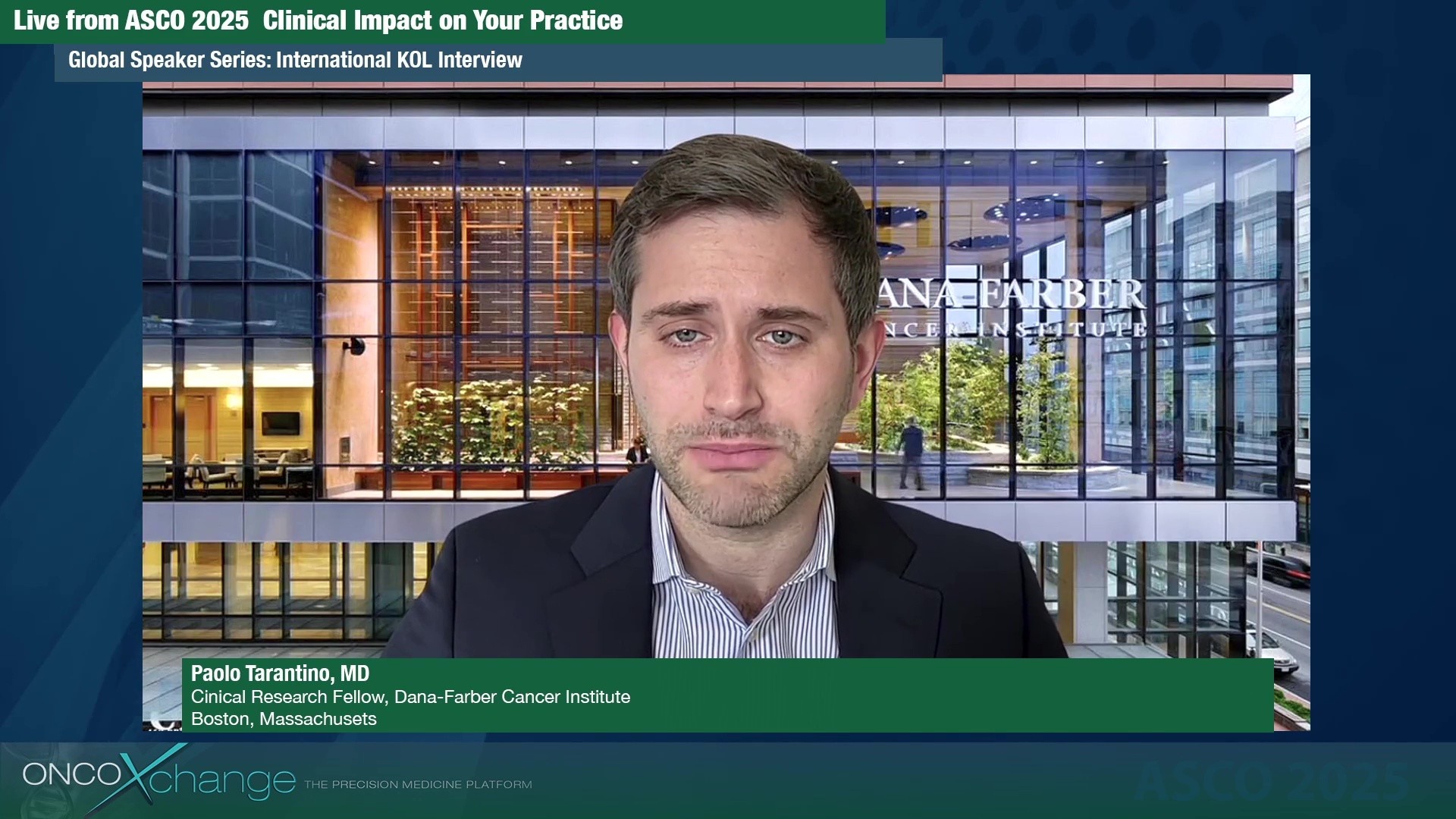
Dr. Paolo Tarantino reviews key SABCS updates, including lidERA with adjuvant giredestrant, HER2CLIMB-05 maintenance with tucatinib, and emerging neoadjuvant PARP inhibitor data. He also discusses negative and evolving results shaping future endocrine and metastatic strategies.
Dr. Erika Hamilton discusses HER2CLIMB-05 from SABCS 2025, showing that tucatinib added to first-line HP maintenance significantly improved PFS in HER2-positive metastatic breast cancer, offering a new maintenance option for HR-negative disease and an alternative for HR-positive disease.
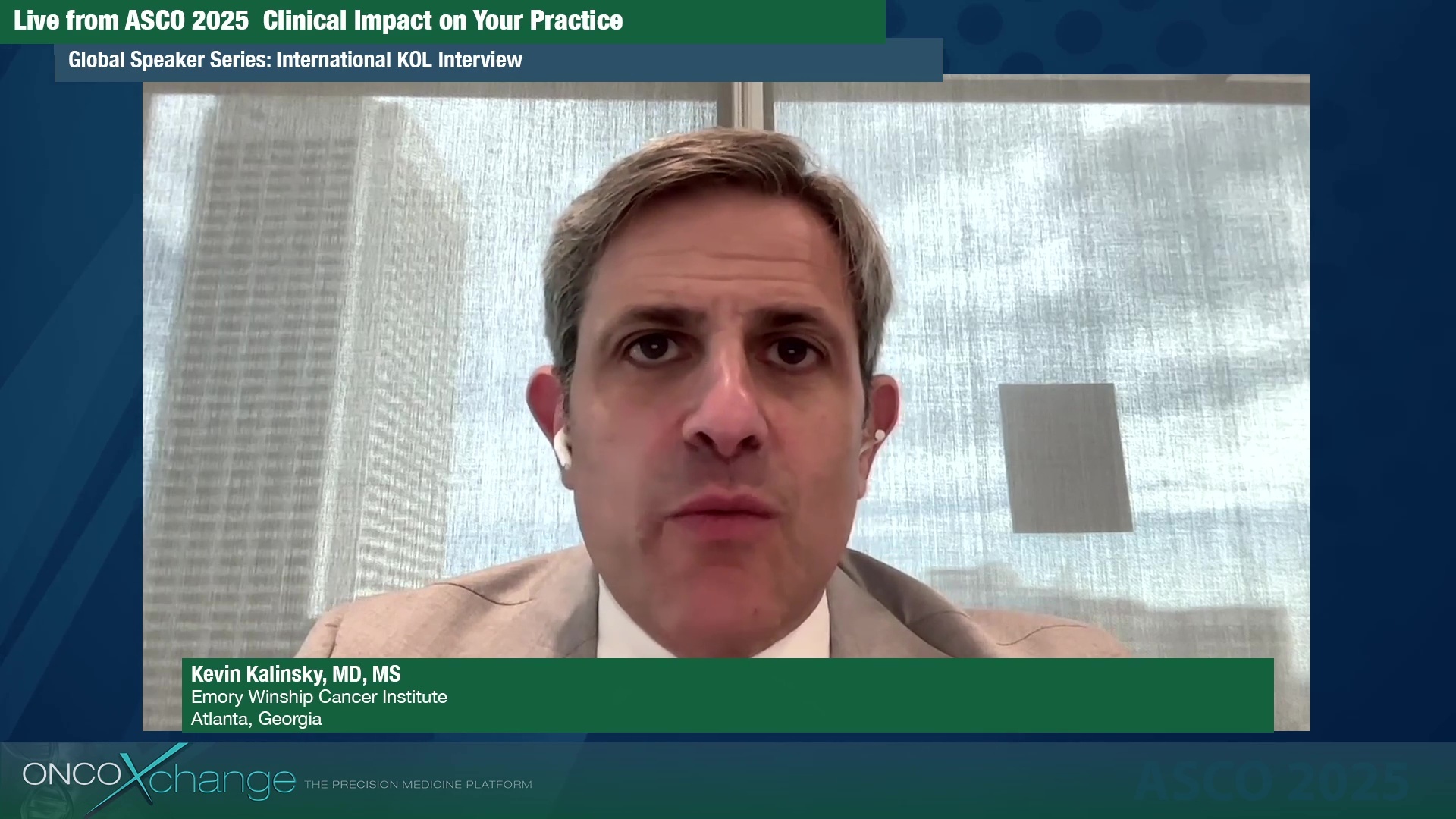
Dr. Kevin Kalinsky reviews key breast cancer updates discussed at SABCS 2025, including HER2CLIMB-05 and DESTINY-Breast09 in HER2-positive disease, as well as emerging SERD data such as giredestrant in HR-positive breast cancer, highlighting evolving options beyond traditional endocrine therapy.
Dr. Sonya Reid highlights key SABCS 2025 advances in metastatic TNBC and HER2-positive disease, including first-line shifts toward ADCs and important updates from the HER2CLIMB-05 maintenance study.
Dr. Mita Manna reports live from SABCS 2025, highlighting major advances across HER2+ and HR+ metastatic disease, as well as new adjuvant SERD data. She discusses how these findings may influence treatment decisions in Canada and upcoming REAL Alliance guidance.
Dr. Charles Geyer reviews SABCS 2025 results using a multimodality AI model to reanalyze the NSABP B-20 trial. He highlights how AI-derived scores may help assess distant-recurrence risk and explore chemotherapy benefit, with potential for broad clinical applicability.
Hannah Harsanyi (Cancer Care Alberta) presents SABCS 2025 research linking higher physical activity to reduced breast cancer risk in both pre- and post-menopausal women, highlighting its protective effect across reproductive factors and implications for precision prevention.
Dr. Amrita Basu highlights UCSF and I-SPY Trial research using AI to integrate patient-reported outcomes into real-time care—leveraging symptom and quality-of-life data to detect early toxicity signals and streamline clinical decision-making.
Le Dr Jamil Asselah présente les résultats essentiels de la troisième journée du SABCS 2025, en intégrant les mises à jour majeures de SABCS et de ESMO. Il souligne les données les plus susceptibles de modifier la pratique et offre des orientations sur leur interprétation et leur application en clinique.
Dr. Aditya Bardia reviews findings from the phase 3 lidERA trial evaluating oral SERD geridestrant in stage I–III ER+/HER2- breast cancer. The study showed improved invasive disease-free and distant recurrence outcomes compared to standard endocrine therapy, along with a safety profile consistent with prior experience.
Dr. Jamil Asselah and a panel of surgeons and medical oncologists review key SABCS 2025 Day 2 highlights, including axillary surgery de-escalation trials, updates from PATINA and HER2CLIMB-05, evolving first-line HER2+ strategies, and new data shaping imaging, endocrine therapy, and brain metastasis management.
Le Dr Christos Sotiriou présente de nouvelles données sur le carcinome lobulaire au SABCS 2025, décrivant quatre sous-types biologiquement distincts aux implications cliniques potentielles. Il souligne également que les inhibiteurs de PI3K pourraient bénéficier aux tumeurs lobulaires en ciblant à la fois les cellules tumorales et le microenvironnement, notamment les macrophages.
Dr. Chiara Corti (Dana-Farber) presents a feasibility study at SABCS 2025 using a machine-learning immune-profiling platform to explore biomarkers predicting immunotherapy benefit in early TNBC. Early signals suggest blood-based immune profiling may complement tissue-based approaches.
La Dre Véronique Diéras présente au SABCS 2025 les résultats de l’essai AMBRE évaluant l’abémaciclib associé à l’hormonothérapie versus la chimiothérapie dans le cancer du sein métastatique RH+/HER2- avec forte charge viscérale, démontrant un bénéfice en survie sans progression avec l’abémaciclib.
Dr. Carlos González Núñez (Mexico City) reviews exciting SABCS 2025 advances for HR+/HER2- metastatic breast cancer, focusing on options after CDK4/6 inhibitor progression. He highlights phase 2 SUMMIT data with samuraciclib plus fulvestrant, showing promising PFS and a manageable safety profile.
Dr. Joseph Sparano presents new SABCS 2025 findings from a TAILORx biospecimen analysis leading to the development of an AI-based multimodal test (ICM-plus) for ER+/HER2-, node-negative early breast cancer, offering improved long-term prognostic stratification beyond existing genomic assays.
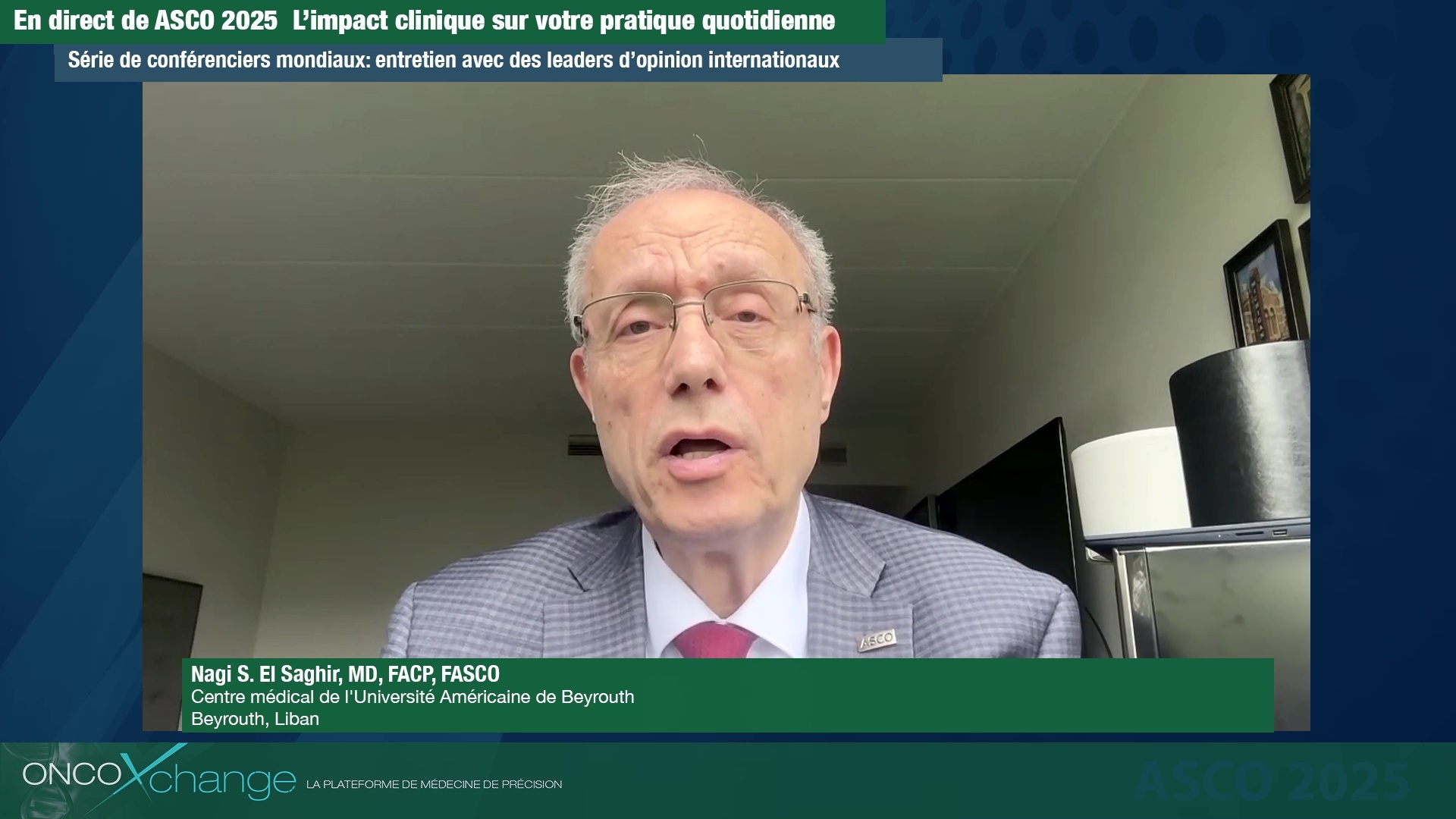
Dr. Nagi El-Saghir reviews major SABCS 2025 advances in adjuvant endocrine therapy for HR-positive breast cancer, highlighting the oral SERD Giredestrant, which improved invasive disease-free survival compared with standard therapy, and discussing how it may integrate with CDK4/6 inhibitors in high-risk patients.
Dr. Nagi El-Saghir summarizes key advances from SABCS 2025, highlighting results from HER2CLIMB-05 and evolving treatment options for metastatic HER2-positive breast cancer. He reviews maintenance strategies, T-DXd combinations, and how new regimens are improving outcomes.
Dr. Katarzyna Jerzak reviews SABCS 2025 results from HER2CLIMB-05, where tucatinib maintenance significantly improved progression-free survival in HER2-positive metastatic breast cancer, with benefit across hormone-receptor subgroups and a well-tolerated safety profile.
Les Drs Jamil Asselah (MUHC) et Arif Awan (Hôpital d’Ottawa) discutent des faits saillants du Jour 1 du SABCS 2025, en passant en revue les résumés les plus marquants et les données pouvant influencer la pratique clinique, notamment dans les cancers du sein HR+ métastatiques et en situation adjuvante.
Dr. Frederick Howard, breast oncologist at the University of Chicago, discusses SABCS 2025 data on how digital histology models can predict recurrence risk and chemotherapy benefit in early-stage HR+/HER2- breast cancer, complementing traditional gene-expression testing.
Barbara Segarra-Vásquez, patient advocate at the University of Puerto Rico, shares her perspective from SABCS 2025. She reflects on the evolving role of patient advocates as partners in breast-cancer research, emphasizing collaboration, quality of life, and meaningful progress for patients
Dr. Hiba Moukadem, medical oncologist and breast cancer specialist at the American University of Beirut Medical Center, reviews results from two key Presidential Session abstracts at ESMO 2025 — DESTINY-Breast05 and DESTINY-Breast11 — and their clinical implications.
Dr. Katarzyna Jerzak shares key take-aways from ESMO 2025 across breast cancer subtypes. She reviews HR+/HER2- early-stage data from monarchE and NATALEE, reflecting on how these findings could influence patient care soon.
Dr. Paolo Tarantino dives into the latest ADC-driven shifts from ESMO 2025 across breast cancer subtypes—reviewing TROPION-Breast02, ASCENT-03, DESTINY-Breast11, and DESTINY-Breast05—and shares what should be the overall learning from this year’s ESMO.
Dr. Claudio Vernieri shares key insights from his ESMO 2025 poster exploring the real-world effectiveness of first-line endocrine therapy combined with CDK4/6 inhibitors in HR+/HER2- advanced breast cancer, focusing on treatment outcomes and clinical implications.
Dr. Christine Brezden-Masley shares her insights from ESMO 2025, reviewing the ASCENT-03 trial in metastatic triple-negative breast cancer and reflecting on how emerging data continues to inform treatment decisions and patient care.
Dr. Neil Iyengar discusses the ESMO 2025 session on survivorship in young-onset cancers, a growing global concern often linked to obesity-driven diseases, and highlights how lifestyle, exercise, and digital tools can improve prevention and long-term outcomes.
Dr. Neil Iyengar discusses prevention-focused work from ESMO 2025, highlighting insights from the ESMO Task Force meta-analysis of 91 drug prevention trials, examining which strategies show benefit and where future efforts should focus.
Dr. Charles Geyer highlights his presentation from ESMO 2025’s first Presidential Symposium, featuring the interim analysis of the DESTINY-Breast05 trial—a follow-up to the KATHERINE study—and walks us through the key data and its clinical implications.
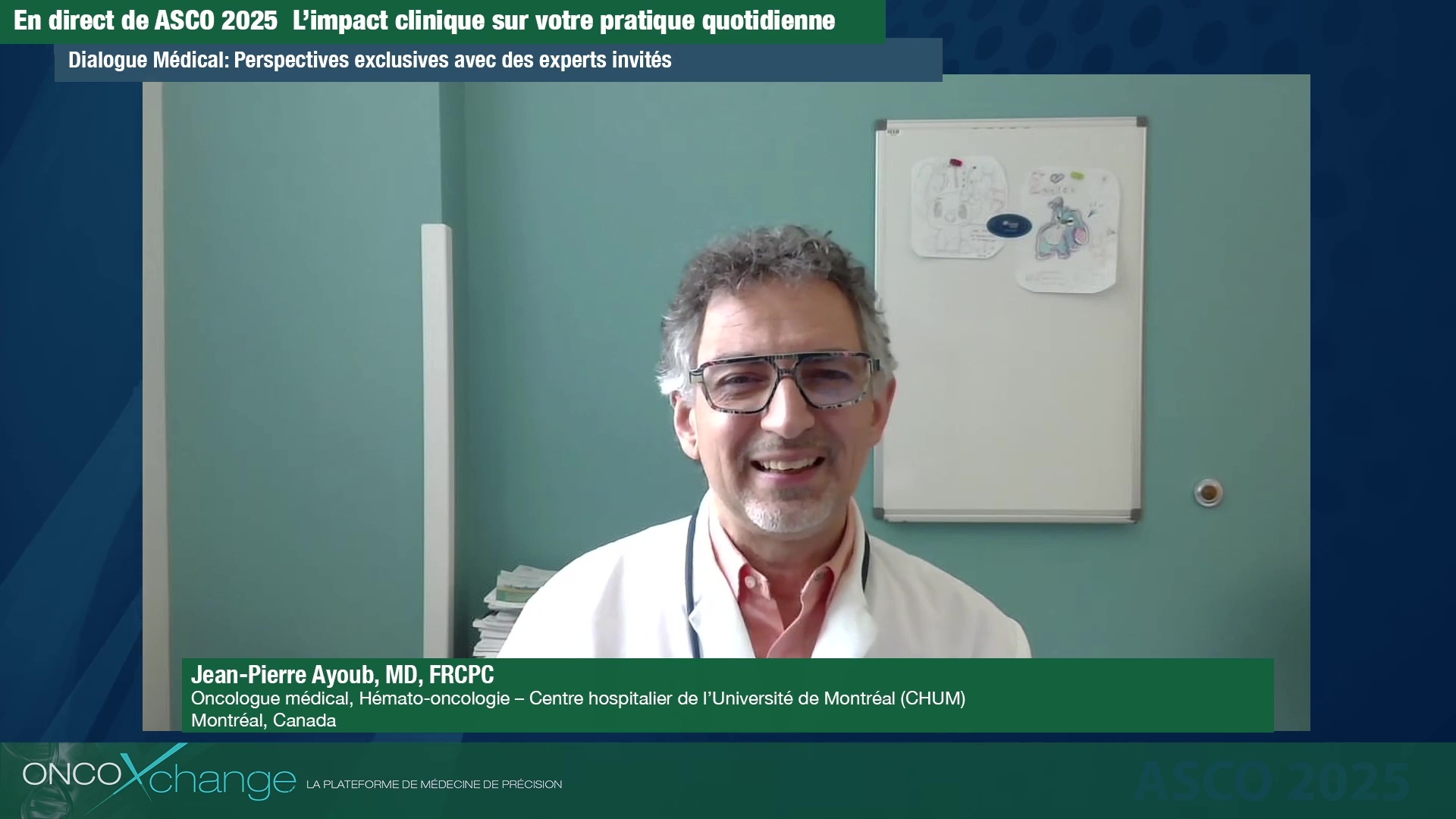
Le Dr Jean-Pierre Ayoub présente les études de l’ESMO 2025 qui pourraient prochainement influencer la pratique en oncologie mammaire, notamment TROPION-Breast02 et ASCENT-03 pour le TNBC métastatique, ainsi que les nouvelles données HER2 positives issues des essais DESTINY-Breast11 et DESTINY-Breast05 avec la thérapie T-DXd.
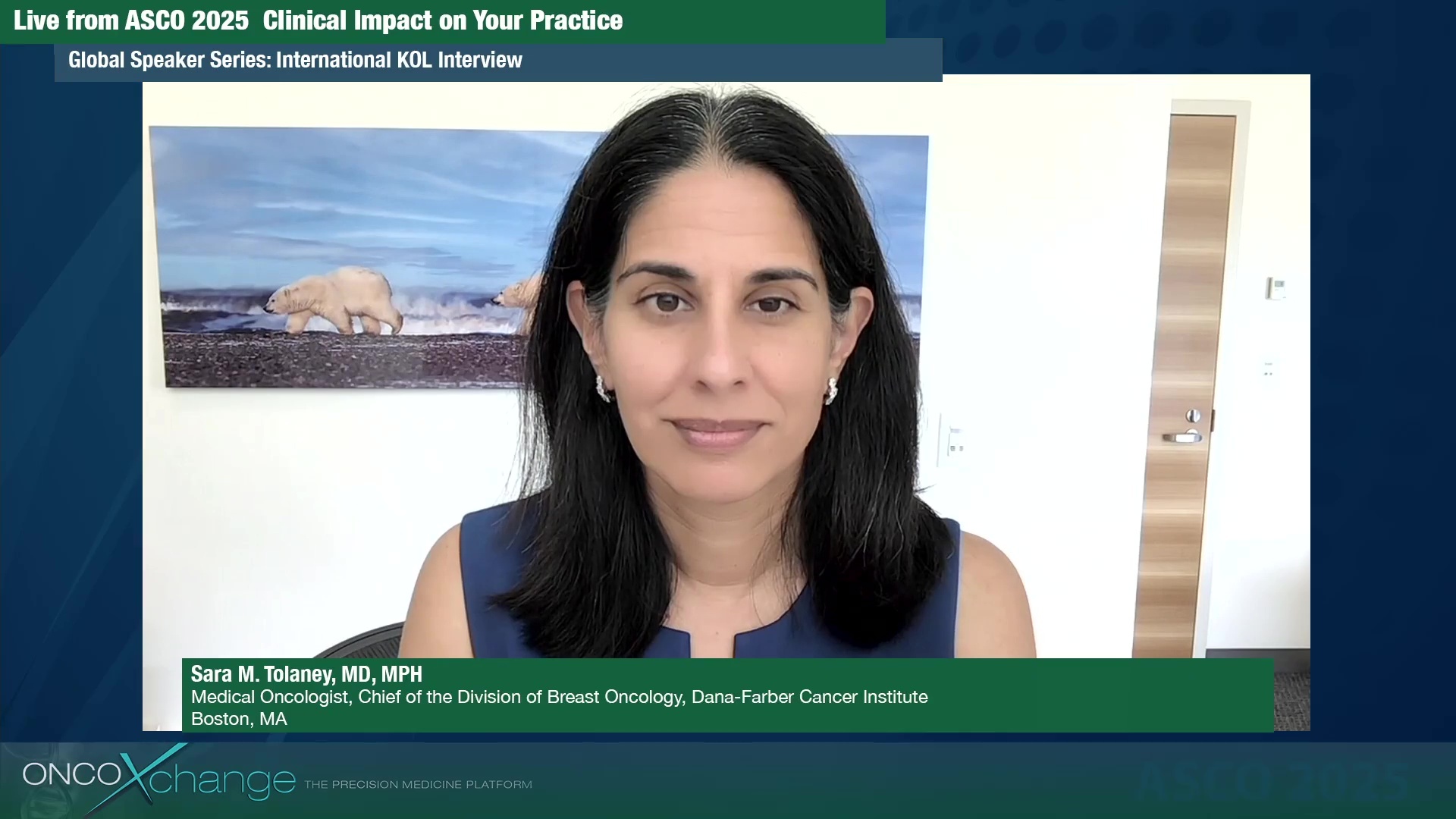
Dr. Sara Tolaney reviews practice-changing data from ESMO 2025 in early-stage HER2-positive breast cancer, highlighting major shifts in clinical practice with findings from DESTINY-Breast11 in the neoadjuvant setting and DESTINY-Breast05 in the post-neoadjuvant setting.
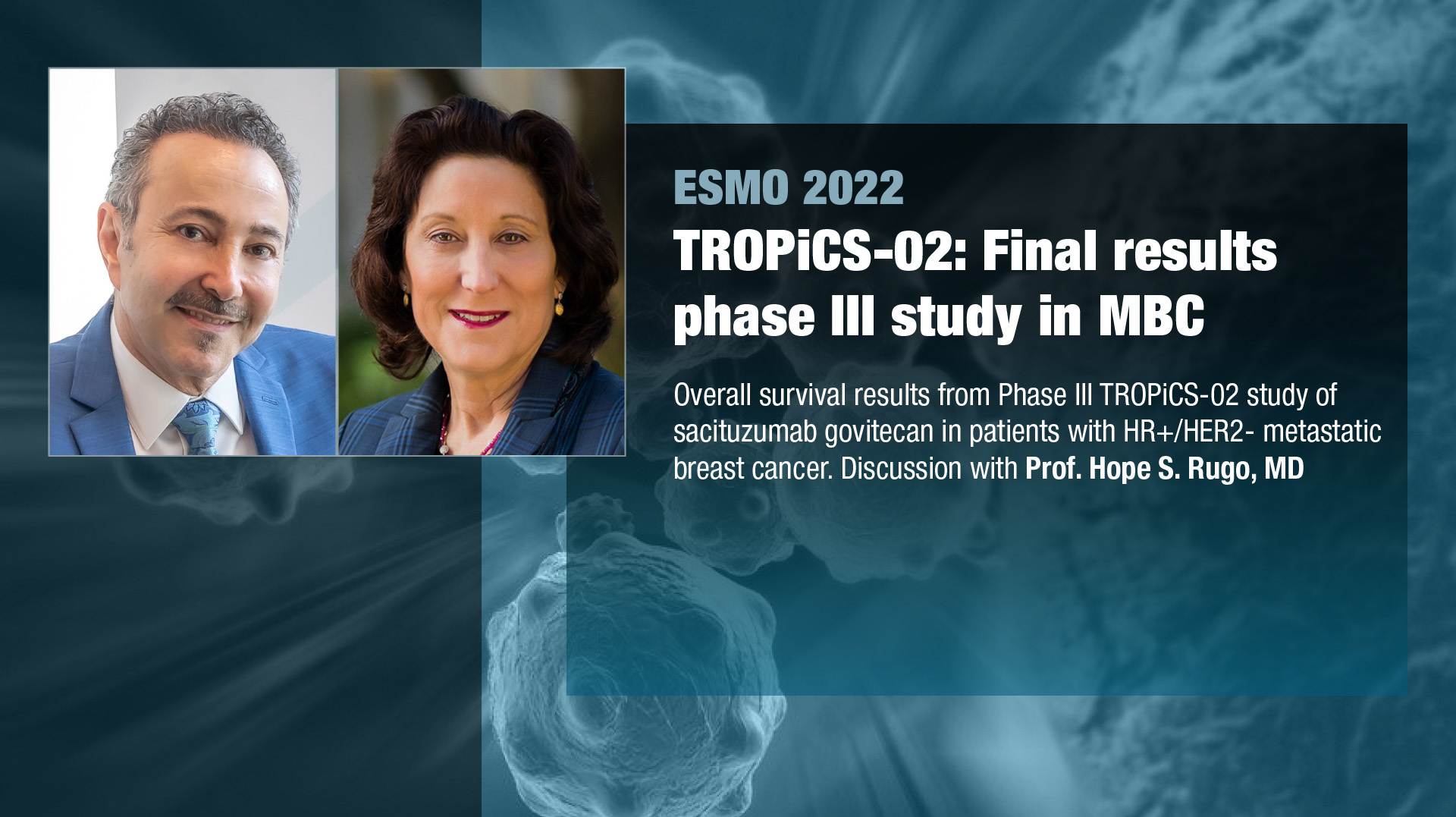
Dr. Hope Rugo reviews practice-changing updates from ESMO 2025 across HER2-positive, triple-negative, and hormone receptor–positive breast cancer, highlighting early-stage results from monarchE and NATALEE, and key findings from the phase 3 evERA Breast Cancer study in the metastatic setting.
La Dre Kim Ma partage ses principaux enseignements tirés de l’ESMO 2025, revenant sur trois jours de données marquantes dans le cancer du sein — des essais adjuvants CDK4/6 monarchE et NATALEE aux résultats métastatiques de TROPION-Breast02, ASCENT-03, et du prometteur essai evERA Breast Cancer qui façonne l’avenir des soins.
La Dre Kim Ma et le Dr Jean-Pierre Ayoub concluent le jour 3 de l’ESMO 2025 en présentant les faits saillants de l’étude evERA Breast Cancer — abordant les bénéfices pour les patientes, la tolérance et l’accès — avant de discuter des résultats de VIKTORIA-1 présentés à l’ESMO, où le Dr Ayoub partage ses observations en tant qu’investigateur au CHUM.
Prof. Rebecca Dent presents the much-anticipated primary results from the randomized phase III TROPION-Breast02 trial at ESMO 2025, sharing key outcomes that could redefine treatment strategies in advanced breast cancer.
Le Dr Christos Sotiriou présente les points saillants de son exposé à l’ESMO 2025 sur les répondeurs exceptionnels atteints de cancer métastatique, en explorant les facteurs moléculaires et cliniques permettant d’identifier les patientes qui obtiennent des résultats remarquables grâce aux thérapies ciblées.
Dr. Mita Manna shares her review of the latest breast cancer data from ESMO 2025, covering all three major subtypes. As Chair of the REAL Alliance, she also announces upcoming consensus recommendations and Canadian practice guidance to be published soon.
Dr. Kevin Kalinsky shares his perspective on the most significant breast cancer data from ESMO 2025, including updates from NATALEE, monarchE, DESTINY-Breast05 & 11, ASCENT-03, and TROPION-Breast02—highlighting key findings shaping treatment practice.
La Dre Sara Soldera discute des résultats de l’étude monarchE présentés à l’ESMO 2025, mettant de l'avant le bénéfice en survie globale dans le cadre adjuvant, la façon dont ces données renforcent la pratique actuelle et leur signification pour les patientes atteintes d’un cancer du sein précoce.
Les Drs Asselah, Younan et Ma présentent les faits marquants du jour 2 de l’ESMO 2025, soulignant les résultats positifs observés dans le cancer du sein, avec une mention spéciale pour les essais DESTINY-Breast11, DESTINY-Breast05, ASCENT-03 et TROPION-Breast02 — et d’autres données à venir demain
Dr. Karen Gelmon shares her reflections from Day 2 at ESMO 2025, highlighting the POSITIVE trial and its impact on pregnancy outcomes for women wishing to conceive, along with her insights and guidance for both patients and clinicians.
Dr. Sara Hurvitz reviews findings from VIKTORIA-1, a phase 3 international open-label randomized trial, highlighting early promising trends that may influence treatment strategies and improve patient outcomes in breast cancer care.
Les Dres Kim Ma et Nathalie LeVasseur examinent et discutent des données adjuvantes sur les inhibiteurs de CDK4/6 présentées lors du jour 1 de l’ESMO 2025, en mettant en lumière les mises à jour clés des essais monarchE et NATALEE et leur impact potentiel sur la prise en charge des patientes atteintes d’un cancer du sein précoce.
Les Drs Jamil Asselah, Rami Younan et Kim Ma passent en revue les principales mises à jour du jour 1 de l’ESMO 2025 dans le cancer du sein précoce : la survie globale de l’étude monarchE, le suivi à 5 ans de NATALEE et les données à 5 ans de POSITIVE. Ils évoquent également les présentations à venir à l’ESMO sur les contextes néoadjuvant, post-néoadjuvant et métastatique au cours des prochains jours.
Dr. Sara Hurvitz explores if 4 cycles of T-DXd are sufficient in the neoadjuvant setting for HER2+ early breast cancer, highlighting insights from WSG-ADAPT HER2+/HR- and CompassHER2 trials.
Dr. Sara Hurvitz reviews the neoCARHP trial, which explores whether adding carboplatin offers additional benefit to HER2-targeted and taxane-based therapy in the neoadjuvant setting for HER2-positive breast cancer.
Dr. Sara Tolaney presents key findings from DESTINY-Breast09 and ASCENT-04 from ASCO 2025, highlighting their potential to reshape the first-line standard of care in metastatic breast cancer.
Le Dr Jean-Pierre Ayoub met en lumière trois résumés marquants de l’ASCO 2025 — ASCENT-04, DESTINY-Breast09 et INAVO120 — en partageant les résultats clés en cancer du sein métastatique qui influencent déjà sa pratique clinique.
Dr. Xiaofu Zhu shares his takeaways from ASCO 2025, highlighting standout abstracts and practice-changing findings across multiple breast cancer subtypes, and reflecting on the most significant developments from the congress.
Dr. Kevin Kalinsky shares key findings from the NATALEE trial, highlighting how ribociclib outcomes differ by age and menopausal status in HR+/HER2- early breast cancer. Insights highlight implications for personalized treatment.
Dr. Paolo Tarantino highlights practice-changing data from ASCO 2025, including key insights from DESTINY-Breast09, ASCENT-04, and SERENA-6, with reflections on their clinical implications in breast cancer care.
La Dre Kim Ma met en lumière les données clés présentées lors de la dernière journée de l’ASCO 2025 sur le cancer du sein localisé, en abordant les thèmes émergents de la thérapie néoadjuvante HER2, de la gestion des ganglions lymphatiques en chirurgie, et du rôle croissant de la suppression ovarienne.
Le Dr Nagi El Saghir résume les points clés de l’ASCO 2025, partage les enseignements de sa présentation sur l’analyse de sous-groupes de l’étude RIGHT Choice, et revient sur les essais majeurs : INAVO120, SERENA-6, VERITAC-2 et DESTINY-Breast09.
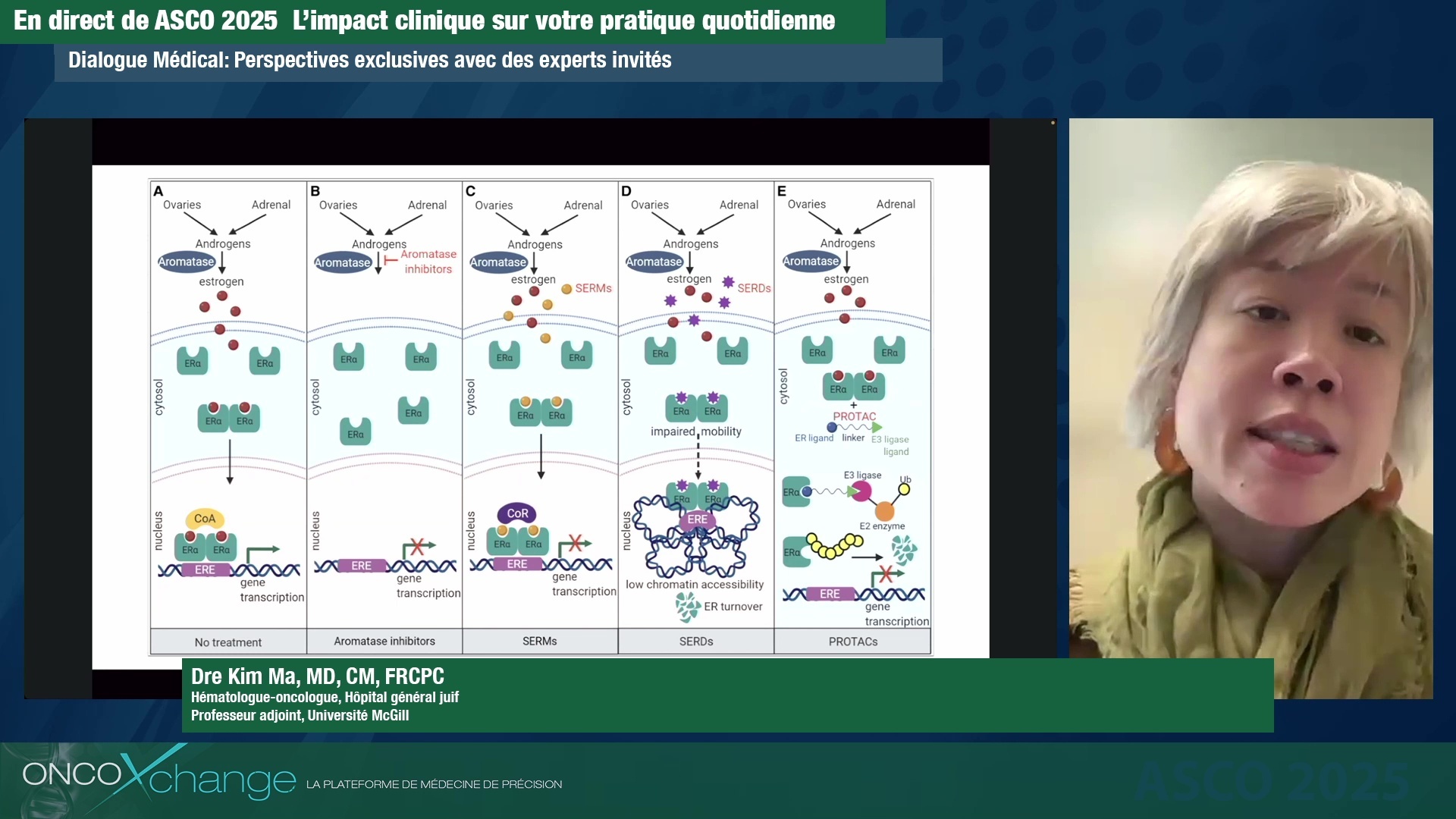
La Dre Kim Ma partage ses réflexions post-ASCO sur l’évolution de l’hormonothérapie dans le cancer du sein métastatique RH+, en mettant en lumière des avancées prometteuses qui redéfinissent les stratégies de traitement.
Dr. Ana Lohmann reviews her ASCO 2025 poster on recurrence patterns across breast cancer subtypes in the CCTG MA.32 trial, highlighting the ongoing risk of late recurrence in luminal BC and persistent risk of second primaries in all breast cancer subtypes .
Dr. Angela Toss reviews findings from an international cohort study presented at ASCO 2025, exploring how different types of BRCA1/2 pathogenic or likely pathogenic variants impact outcomes in young patients with breast cancer.
Dr. Marina De Brot presents their work showcased at ASCO 2025 on using AI to improve detection of HER2-low and HER2-ultralow breast cancer, enhancing diagnostic accuracy and expanding eligibility for HER2-targeted treatments.
Dr. Tara Sanft discusses findings from the BCI Registry Study presented at ASCO 2025, highlighting how the Breast Cancer Index influences treatment decisions in a prospective real-world setting.
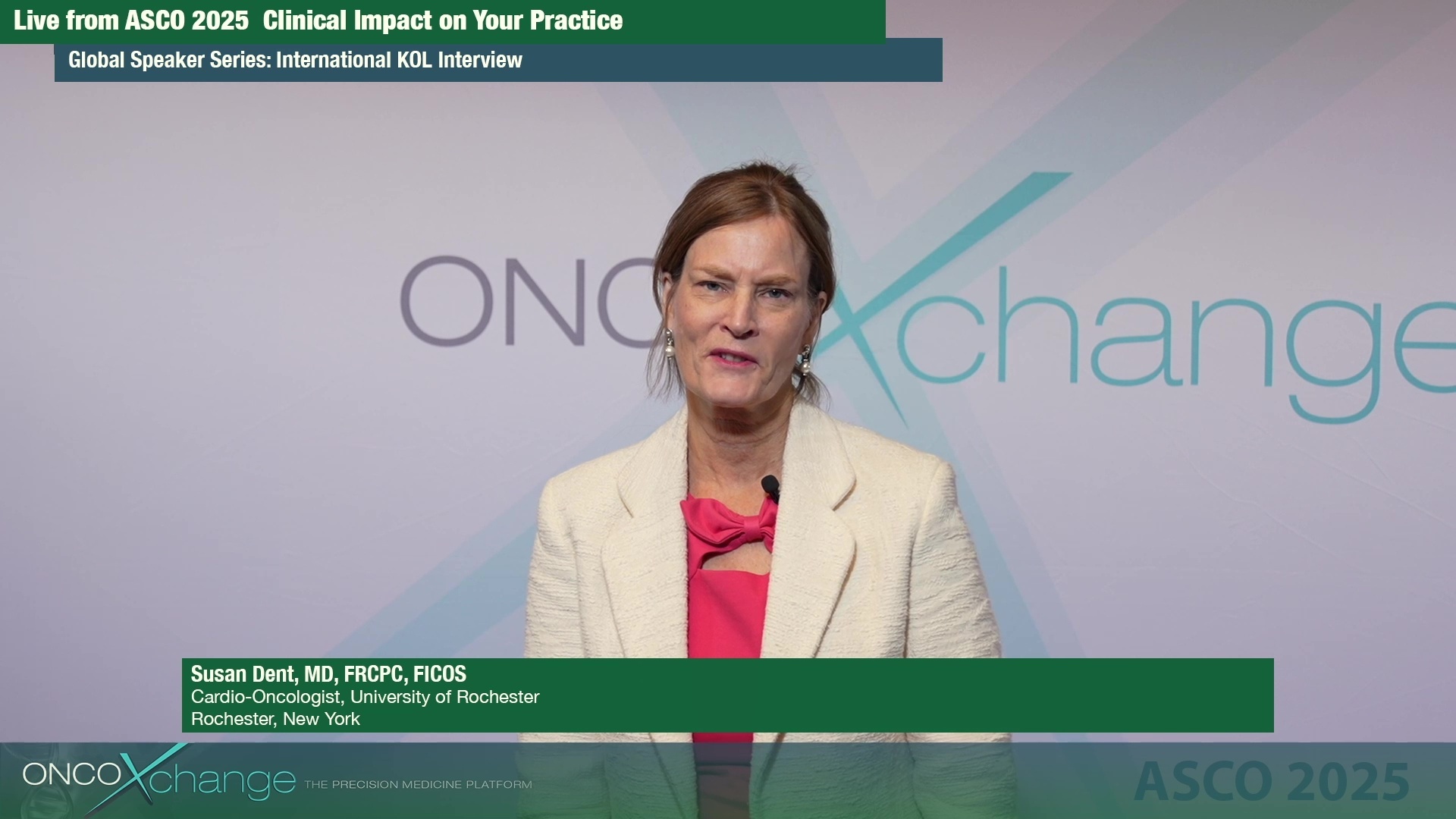
Dr. Susan Dent reviews data impacting women with advanced breast cancer, comparing interim results from DESTINY-Breast09 to the CLEOPATRA standard. She addresses questions around time on therapy, practice change, and the importance of individualized, patient-centered care.
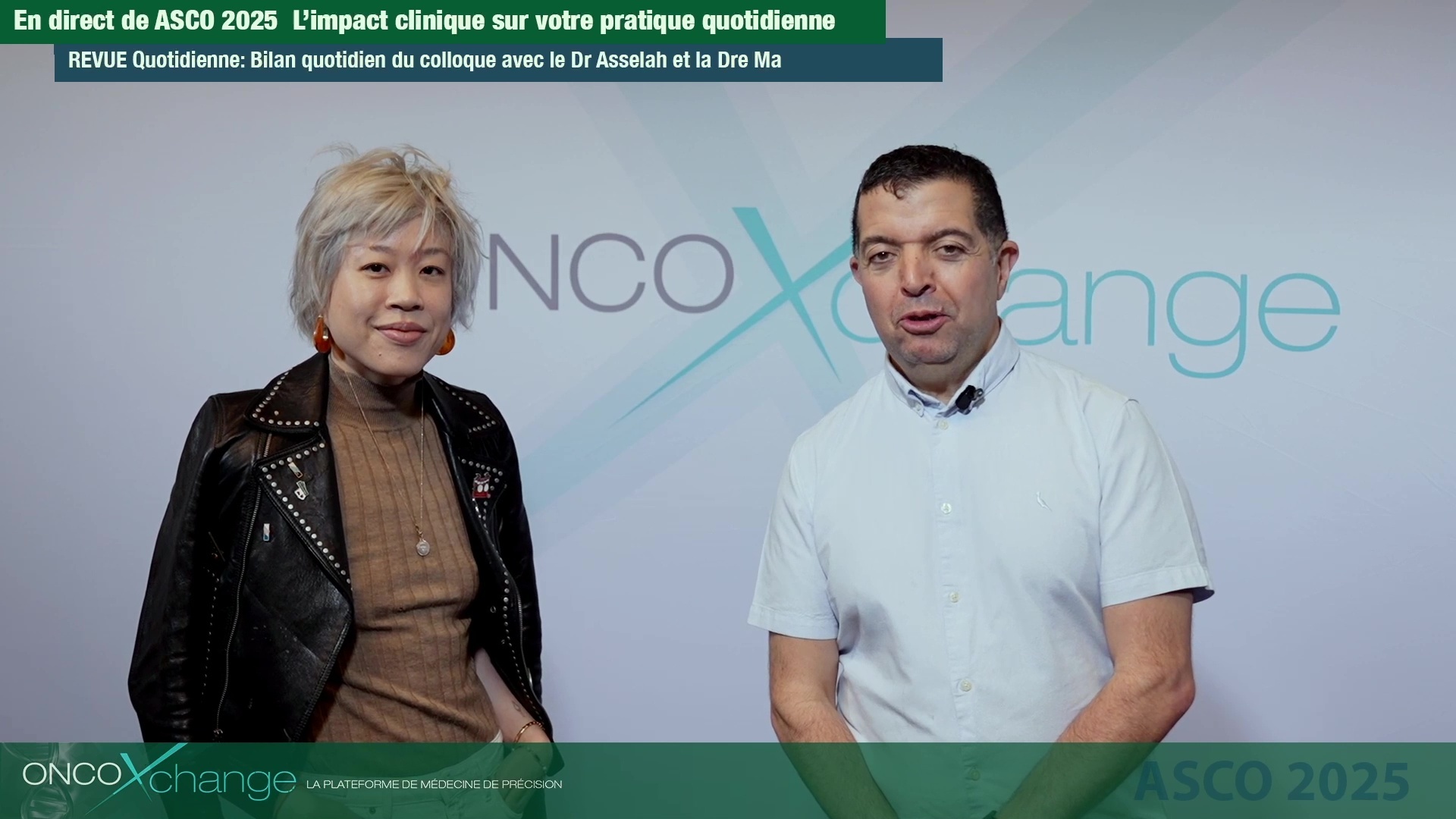
Drs. Jamil Asselah and Kim Ma return to discuss the latest ASCO 2025 data, focusing on SERENA-6 PFS outcomes and DESTINY-Breast09, where T-DXd plus pertuzumab sets a new first-line standard in HER2+ mBC with practice-changing impact.
Dr. Jamil Asselah speaks with Dr. David Cescon about results from the ASCENT-04 trial presented at ASCO 2025, discussing current standards of care, safety data, and the impact of these findings on clinical practice.
Drs. Jamil Asselah and Pedro Moraes review key data from SERENA-6 and ASCENT-04 presented at ASCO 2025, discussing whether the results are practice-changing and reflecting on their impact and interpretation from a global perspective.
Prof. Rebecca Dent highlights practice-changing data from ASCO 2025, including emerging therapies with different side effect profiles and new monitoring strategies in ER+ mBC. She reflects on the SERENA-6 plenary not just as data, but as a concept shaping the future of care, and shares key takeaways from her own DB-06 biomarker analysis of T-DXd vs TPC.
Dr. Ibrahim Abu-Gheida reviews ASCO 2025 updates on the role of AI in oncology, exploring its impact on clinical and preclinical practice, and how it’s set to transform cancer care and research workflows.
Dr. Susan Dent highlights her focus on cardiovascular health in breast cancer care, reviewing ASCO 2025 data on cardiotoxicities linked to modern cancer therapies and the need for proactive cardio-oncology strategies.
Les Drs Jamil Asselah et Kim Ma reviennent sur le jour 1 de l’ASCO 2025, marqué par une forte focalisation sur le cancer du sein à récepteurs hormonaux positifs, en mettant en lumière les nouvelles données de survie de l’essai INAVO120 et les perspectives pour le jour 2.
Dr. Sara Hurvitz discusses the significant findings of the PATINA clinical trial, highlighting the impact of HER2-directed therapies in improving outcomes for patients with HER2-positive metastatic breast cancer.
Dr. Sara Tolaney highlights the PATINA trial's PFS boost with Palbociclib for HER2-positive breast cancer and EMBER-3's findings on Imlunestrant and Abemaciclib for HR+ breast cancer, reshaping metastatic treatment approaches.
Dr. Edith Perez reviews SABCS 2024, highlighting breakthroughs in breast cancer care, collaboration across sectors, and the vital role of training junior investigators to advance research and improve patient outcomes.
Dr. Sara Tolaney discusses the TroFuse-010 Trial, a phase 3 study evaluating Sacituzumab and combinations for metastatic HR+ breast cancer post-CDK4/6 inhibition, aiming to compare outcomes with standard chemotherapy.
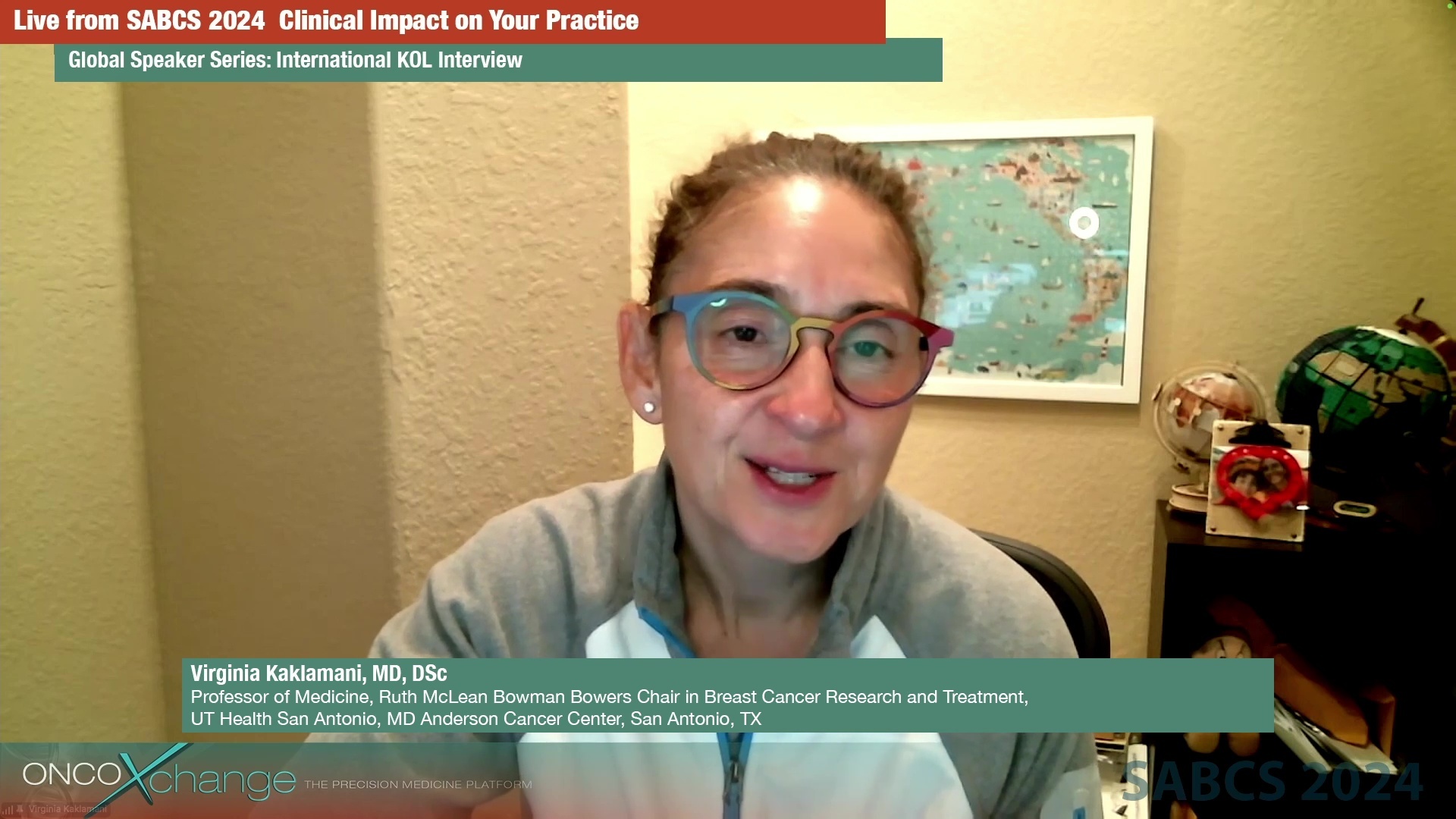
Dr. Virginia Kaklamani discusses pivotal SABCS 2024 trials, including Imlunestrant's superiority, PARP inhibitors' preventive role, PATINA's PFS outcomes, and OlympiA's OS data, reshaping breast cancer care standards.
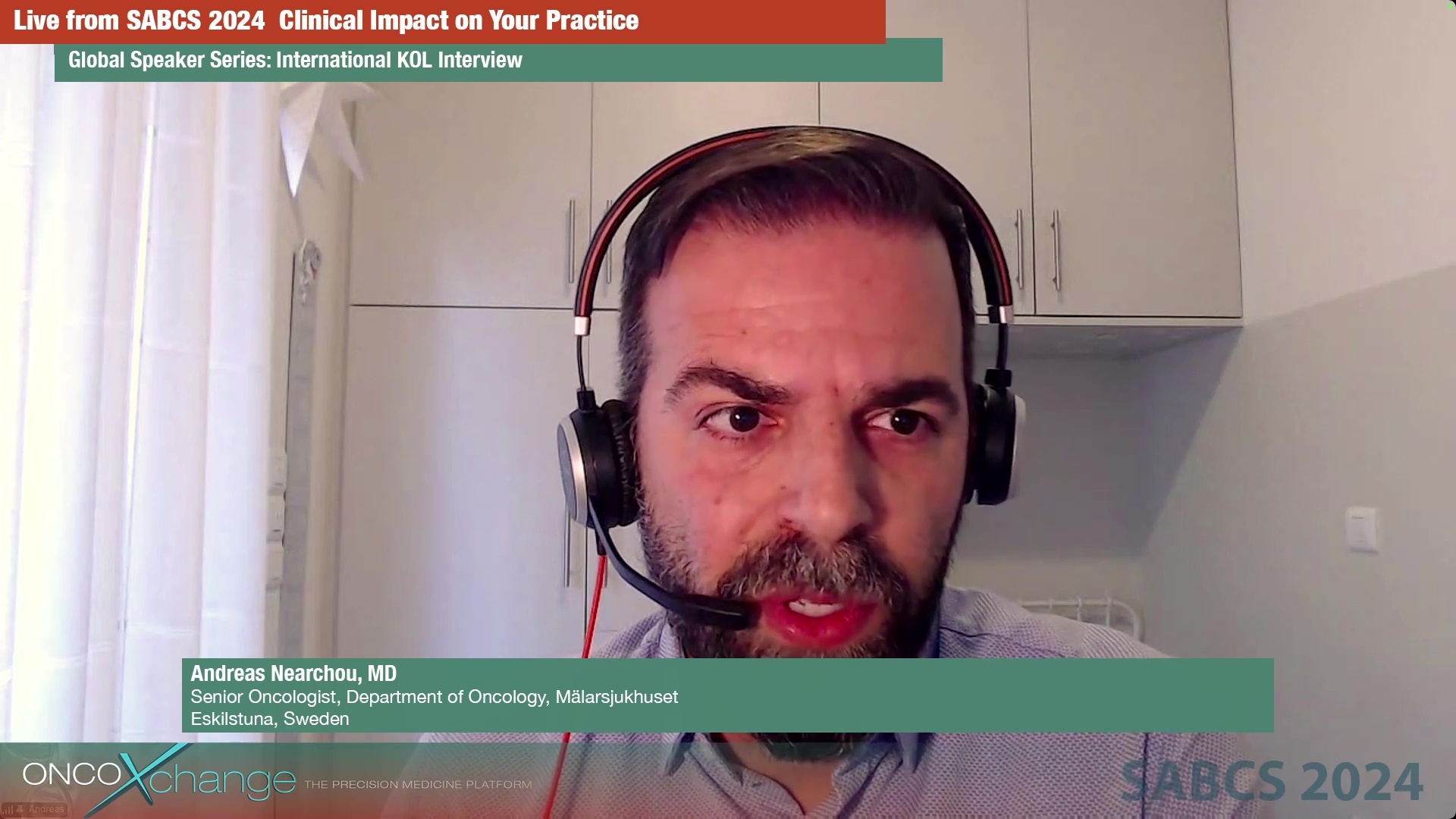
Dr. Andreas Nearchou presents real-world data on the safety and effectiveness of switching among biosimilars for HER2-positive breast cancer, offering insights from his role as principal investigator.
Le Dr Nagi S. El Saghir, professeur au Centre médical AUB de Beyrouth, met en lumière six résumés clés du SABCS 2024. Il partage ses réflexions sur les riches données multidisciplinaires présentées cette année, couvrant les innovations dans la recherche et le traitement du cancer du sein.
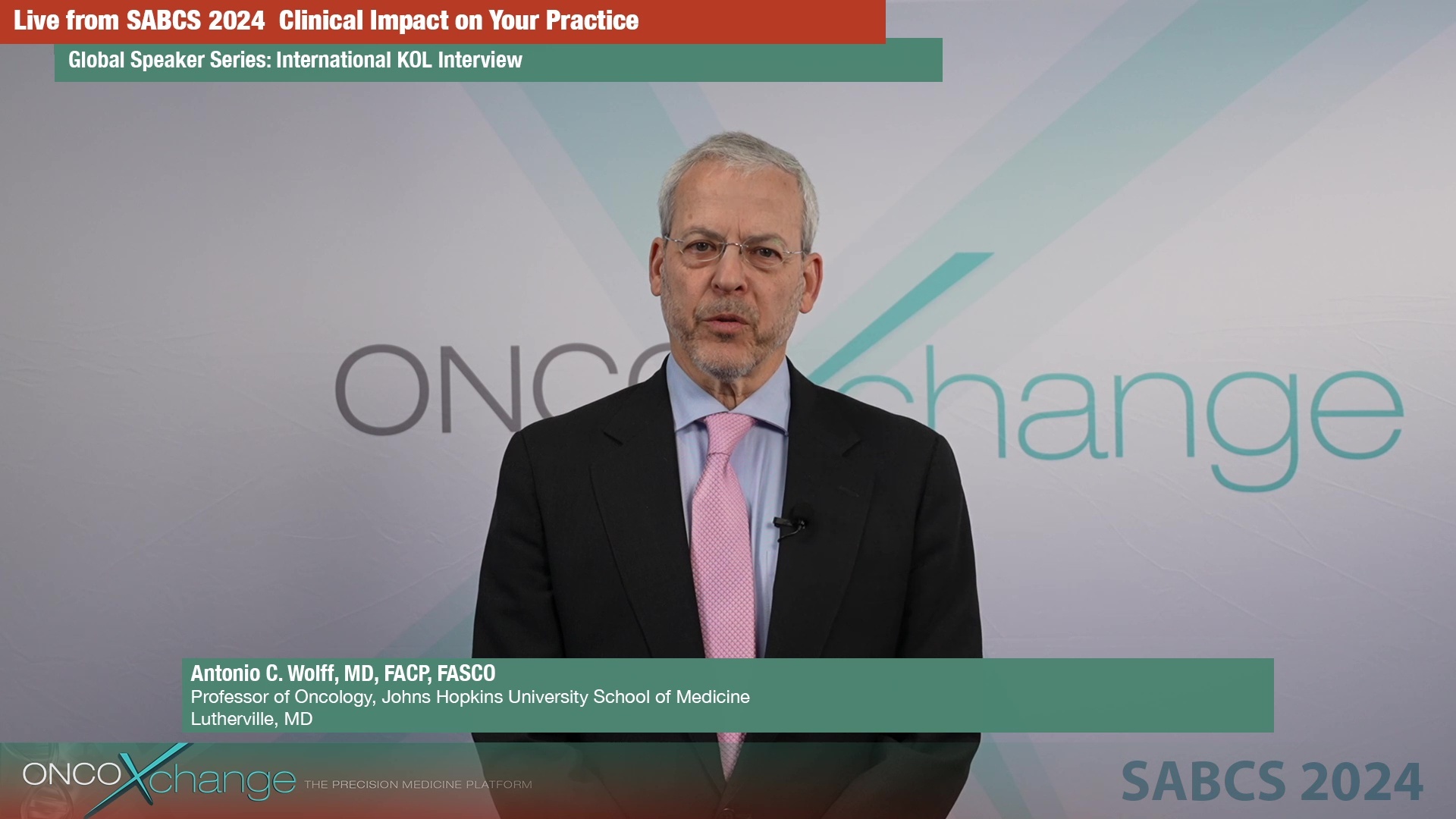
Dr. Antonio Wolff shares expert commentary on SABCS 2024 highlights, including the practice-changing PATINA study, DCIS data, the COMET study, and the FDA's discussion on the importance of ovarian toxicity monitoring during clinical trials.
Prof. Amelie Ramirez discusses the importance of advancing research in prevention and treatment adherence for underserved Hispanic populations. She emphasizes clinical trial access and tailored treatments to combat breast cancer, a leading cause of death in this community.
La Dre Rita Sakr, chef du service de chirurgie mammaire à l'hôpital Emirates de Dubaï, discute des points de vue des survivantes du cancer du sein sur les traitements de désescalade dans le monde arabe et souligne l'importance de l'éducation et de la sensibilisation aux protocoles de désescalade.
Dr. Aydah AlAwadhi from the UAE shares insights on obesity's impact on breast cancer prevention, risk reduction, and prognosis, with key takeaways from Dr. H. Pan's (EBCTCG) presentation. She emphasizes the critical need for education and strategies to combat obesity in breast cancer patients.
Barbara Segarra-Vazquez, patient advocate and 2x breast cancer survivor, highlights drug optimization at SABCS 2024, emphasizing initiatives like Project Optimus and the importance of flexible dosing to enhance patients’ quality of life.
Prof. Amelie Ramirez reflects on SABCS 2024, highlighting advances from prevention to survivorship, the vital role of patient advocates in guiding research, and how new discoveries are improving the lives of breast cancer survivors.
Prof. Rebecca Dent discusses defining TNBC and shares updates from the KEYNOTE-522 study on neoadjuvant pembrolizumab for high-risk, early-stage TNBC. A detailed review of the progress and insights shaping TNBC management today.
La Dre Saima Hassan, chirurgienne oncologue au CHUM de Montréal et co-auteure de l'étude B-59/GeparDouze, souligne le rôle du Québec, qui contribue à hauteur de 17% des patients impliqués dans l'étude. Elle discute des résultats de l'étude, de ses implications et de la nécessité d'explorer davantage les biomarqueurs.
Dr. Paolo Tarantino reviews two practice-changing trials presented at SABCS, EMBER-3 and PATINA. He discusses his own presentation on real-world data and innovative biomarkers for optimizing ADC use in breast oncology.
Le Dr Joseph Gligorov discute des résultats de l'essai pivot PATINA, soulignant son importance en tant que l'un des ensembles de données les plus importantes présentées au SABCS 2024, avec des implications pour l'avancement du traitement du cancer du sein métastatique.
Le dernier jour du SABCS 2024, le Dr Jean-Pierre Ayoub présente trois résumés clés, notamment NSABP B-59/GBG-96-GeparDouze sur l'immunothérapie dans le CSTN (TNBC) et une analyse de sous-groupe de TAILORx explorant les variations de chimiothérapie. Des informations précieuses partagées !
Le Dr Jean-Pierre Ayoub discute de l'évolution du domaine des ADC (conjugué anticorps-médicament) au Canada, commente l'analyse supplémentaire de DESTINY-Breast06 par le Dr Aditya Bardia et explore les indications croissantes du trastuzumab deruxtecan (T-DXd).
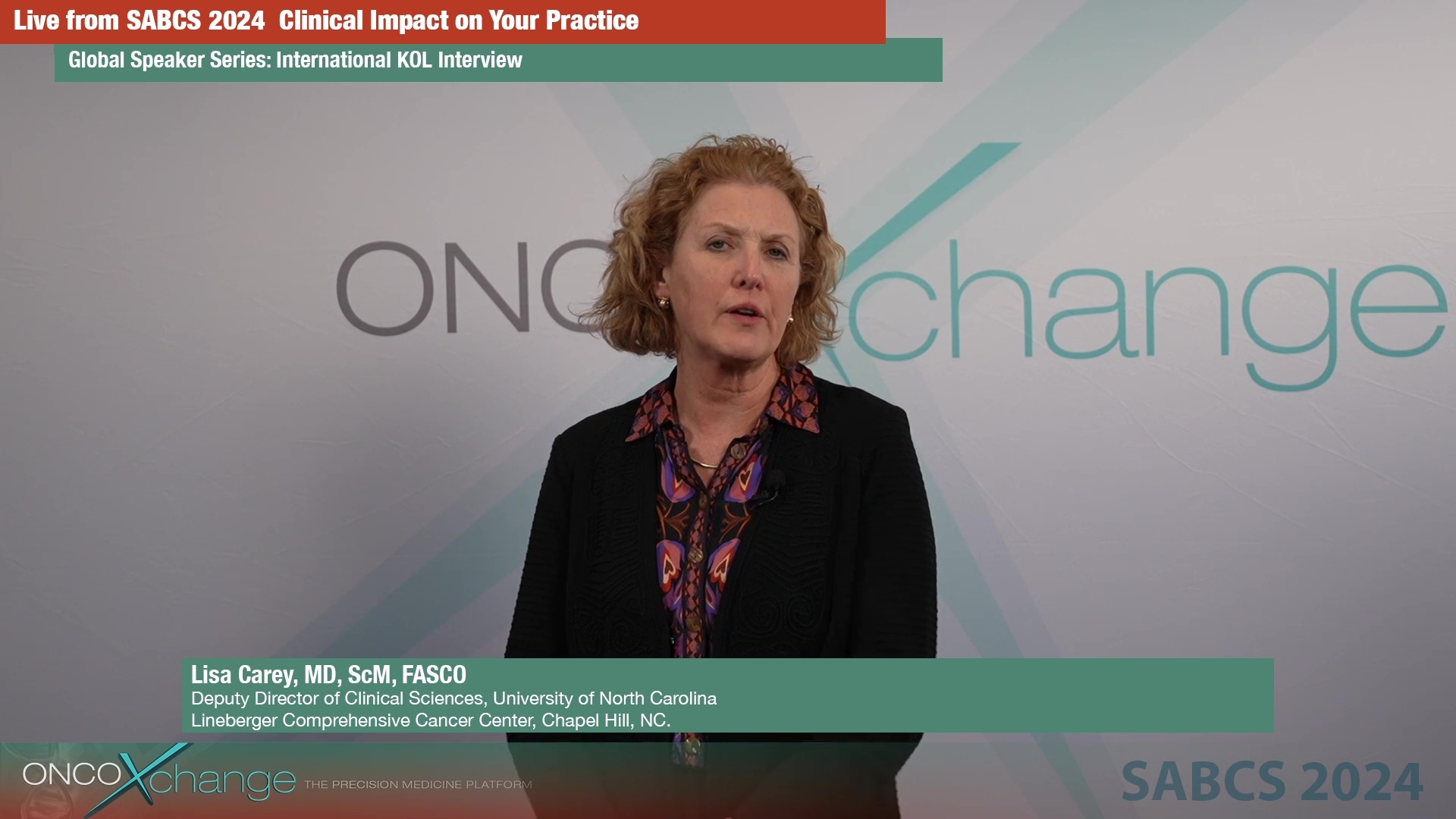
Dr. Lisa Carey highlights the practice-changing PATINA trial, a mature study addressing the critical question of whether CDK4/6 inhibitors improve outcomes when added to antiestrogen and anti-HER2 therapies in first-line treatment of metastatic HR+/HER2+ breast cancer.
Dr. Xiaofu Zhu provides key takeaways from important abstracts at SABCS, including the EMBER-3 study, the exciting phase 2 SOLTI VALENTINE study, and highlights from several de-escalation studies.
Dr. Mitchell Elliott presents his spotlight poster on Day 3, evaluating the Pathlight Assay, a new ultra-sensitive ctDNA assay, in the early breast cancer setting. Discover the potential of this innovative diagnostic tool.
Le Dr Jean-Pierre Ayoub partage son point de vue sur l'essai DESTINY-Breast12, soulignant les effets rassurants du T-DXd sur la qualité de vie et la fonction neurologique des patientes atteintes d'un cancer du sein métastatique HER2+, avec ou sans métastases cérébrales.
la Dre Stephanie Wong a évoqué les résultats prometteurs de l'essai INSEMA, la deuxième étude montrant que la biopsie du ganglion sentinelle peut être omise avec succès. Nous attendons avec impatience de plus amples détails pour voir si cette approche peut être largement mise en œuvre dans la pratique.
Jour 3 du SABCS 2024 examiné par les Drs. Sidéris, Ayoub et l'invitée Dre Ipshita Prakash, couvrant les résultats des essais EUROPA, COMET, INSEMA et PATINA. Thèmes clés : désescalade du traitement et approche de soins centrée sur le patient.
Dr. Kevin Kalinsky explores the impact of omitting axillary staging on adjuvant therapy in ER+ breast cancer. From SABCS' clinical controversy session, discover 4 key insights on systemic therapy implications.
Join Dr. Aditya Bardia as he explores the efficacy and safety of trastuzumab deruxtecan (T-DXd) vs. physician’s choice of chemotherapy (TPC) by pace of disease progression on prior endocrine-based therapy in the latest DESTINY-Breast06 analysis.
Les Drs Lucas Sidéris, Jean-Pierre Ayoub et le doctor invité Cristiano Ferrario discutent des faits saillants du jour 2, notamment des mises à jour sur le cancer du sein métastatique et précoce, des résultats de PADMA et EMBER-3, des informations sur l'étude PRO B, du suivi d'OlympiA et de ce à quoi s'attendre le jour 3
Dr. Jane Meisel discusses key Day 2 updates from SABCS, including Dr. Matteo Lambertini's study on risk-reducing surgeries and survival in young BRCA carriers and the OlympiA Phase 3 10-year follow-up. These findings underscore advances and the importance of BRCA testing in early breast cancer.
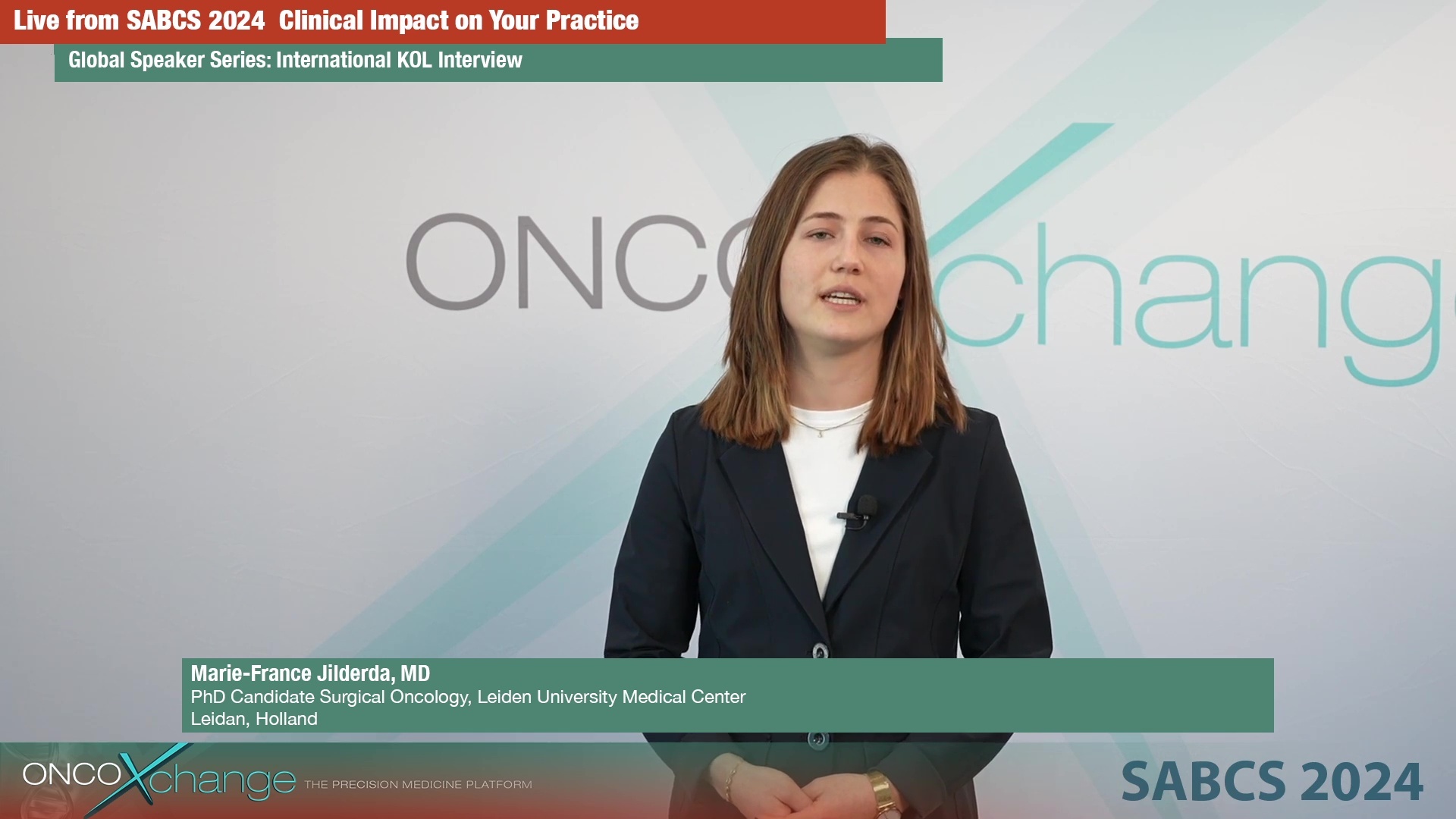
Dr. Marie-France Jilderda discusses findings on the Adjusted Breast Cancer Index Model, exploring its role in identifying HR+ breast cancer patients at minimal 10-year distant recurrence risk and the key rationale behind this critical investigation.
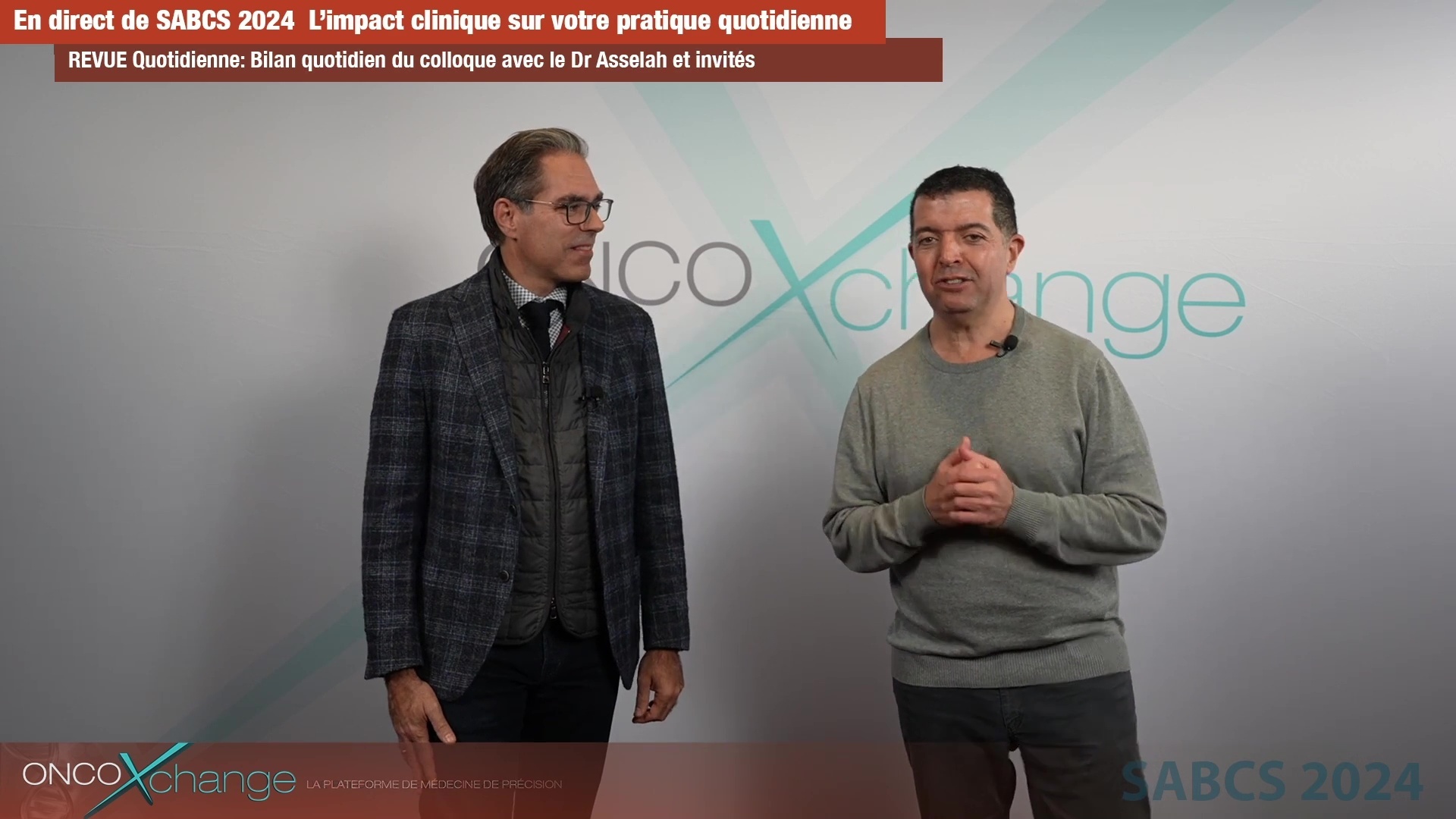
Rejoignez le Dr Asselah et le Dr Sidéris alors qu'ils passent en revue le jour 1 du SABCS 2024, discutent des résumés de dernière minute, des mises à jour clés et de la possibilité que les résultats de cette année apportent des avancées qui changent la pratique dans les soins du cancer du sein.
Dr. Edith A. Perez, Professor Emeritus at Mayo Clinic, Chief Scientific Officer at oncoXchange, and an internationally recognized translational researcher and cancer specialist, previews SABCS 2024. She shares insights on the most anticipated abstracts and studies, highlighting exciting and potentially practice-changing results that could shape the future of breast cancer care.
Dr. Karen Gelmon shares her reflections from Day 2 at ESMO 2025, highlighting the POSITIVE trial and its impact on pregnancy outcomes for women wishing to conceive, along with her insights and guidance for both patients and clinicians.
Dr. Sara Hurvitz reviews findings from VIKTORIA-1, a phase 3 international open-label randomized trial, highlighting early promising trends that may influence treatment strategies and improve patient outcomes in breast cancer care.
Les Dres Kim Ma et Nathalie LeVasseur examinent et discutent des données adjuvantes sur les inhibiteurs de CDK4/6 présentées lors du jour 1 de l’ESMO 2025, en mettant en lumière les mises à jour clés des essais monarchE et NATALEE et leur impact potentiel sur la prise en charge des patientes atteintes d’un cancer du sein précoce.
Les Drs Jamil Asselah, Rami Younan et Kim Ma passent en revue les principales mises à jour du jour 1 de l’ESMO 2025 dans le cancer du sein précoce : la survie globale de l’étude monarchE, le suivi à 5 ans de NATALEE et les données à 5 ans de POSITIVE. Ils évoquent également les présentations à venir à l’ESMO sur les contextes néoadjuvant, post-néoadjuvant et métastatique au cours des prochains jours.
Prof. Sylvie Lambert discusses the real-world implementation of patient-reported outcome measures (PROMs), sharing key lessons, challenges, and practical strategies for embedding patient-centered care into routine oncology practice.
Dr. Mitri highlights the ASCO 2026 studies most likely to shape breast cancer care, from ADCs and HER2-targeted therapies to oral SERDs, ctDNA-guided treatment, and genomic testing.
Dr. Christine Brezden-Masley reviews the ASCO 2026 OPTIMA trial, highlighting how Prosigna-guided treatment identified many high-risk ER-positive, HER2-negative patients who may safely avoid chemotherapy while achieving excellent outcomes.
Le Dr Jamil Asselah passe en revue les avancées les plus marquantes en cancer du sein présentées à l’ASCO 2026, notamment l’étude OPTIMA, les stratégies thérapeutiques guidées par l’ADN tumoral circulant (ADNtc), DESTINY-Breast09 et les applications émergentes de l’intelligence artificielle en oncologie de précision.
Dr. Katarzyna Jerzak reviews key ASCO 2026 updates in HER2-positive metastatic breast cancer, including DB-09, HER2CLIMB-05, evolving maintenance strategies, and their implications for recent ESMO guidelines and upcoming REAL Alliance recommendations.
Dr. Mita Manna reviews ASCO 2026 data on GLP-1 receptor agonists, breast cancer outcomes, and emerging links between social determinants and tumor biology.
Principales mises à jour de l’ASCO 2025 en cancer du sein précoce, mettant en lumière les données émergentes soutenant l’optimisation des traitements, les possibilités de désescalade thérapeutique chez les patientes présentant une maladie à faible risque biologique, ainsi que le rôle croissant des interventions métaboliques et du mode de vie dans l’amélioration des résultats pour les patientes.
La Dre Kim Ma présente les principales mises à jour de l’ASCO 2026 en cancer du sein précoce, notamment les données appuyant l’omission du curage ganglionnaire axillaire chez certaines patientes sélectionnées, ainsi que les résultats prometteurs de l’étude Neo-Healer en traitement néoadjuvant du cancer du sein HER2 positif.
Dr. Mitta Manna reviews key 2025 updates across HER2-positive, triple-negative, and HR+ metastatic breast cancer, highlighting antibody–drug conjugates, biomarker-driven therapies, and the shift toward escalation and de-escalation strategies guided by patient selection and consensus recommendations.
Dr. Xiaofu Zhu reviews high-impact SABCS 2025 data, focusing on HER2CLIMB-05 maintenance tucatinib in advanced HER2-positive disease and the lidERA adjuvant SERD trial, highlighting practice-shaping implications for early and metastatic breast cancer care.
Dr. Ruth O’Regan presents SABCS 2025 data showing how the Breast Cancer Index (BCI) identifies premenopausal patients with early-stage HR-positive, node-negative breast cancer at minimal risk of distant recurrence, helping guide less intensive endocrine therapy decisions.
Dr. Paolo Tarantino reviews key SABCS updates, including lidERA with adjuvant giredestrant, HER2CLIMB-05 maintenance with tucatinib, and emerging neoadjuvant PARP inhibitor data. He also discusses negative and evolving results shaping future endocrine and metastatic strategies.
Dr. Erika Hamilton discusses HER2CLIMB-05 from SABCS 2025, showing that tucatinib added to first-line HP maintenance significantly improved PFS in HER2-positive metastatic breast cancer, offering a new maintenance option for HR-negative disease and an alternative for HR-positive disease.
Dr. Kevin Kalinsky reviews key breast cancer updates discussed at SABCS 2025, including HER2CLIMB-05 and DESTINY-Breast09 in HER2-positive disease, as well as emerging SERD data such as giredestrant in HR-positive breast cancer, highlighting evolving options beyond traditional endocrine therapy.
Dr. Sonya Reid highlights key SABCS 2025 advances in metastatic TNBC and HER2-positive disease, including first-line shifts toward ADCs and important updates from the HER2CLIMB-05 maintenance study.
Dr. Mita Manna reports live from SABCS 2025, highlighting major advances across HER2+ and HR+ metastatic disease, as well as new adjuvant SERD data. She discusses how these findings may influence treatment decisions in Canada and upcoming REAL Alliance guidance.
Dr. Charles Geyer reviews SABCS 2025 results using a multimodality AI model to reanalyze the NSABP B-20 trial. He highlights how AI-derived scores may help assess distant-recurrence risk and explore chemotherapy benefit, with potential for broad clinical applicability.
Hannah Harsanyi (Cancer Care Alberta) presents SABCS 2025 research linking higher physical activity to reduced breast cancer risk in both pre- and post-menopausal women, highlighting its protective effect across reproductive factors and implications for precision prevention.
Dr. Amrita Basu highlights UCSF and I-SPY Trial research using AI to integrate patient-reported outcomes into real-time care—leveraging symptom and quality-of-life data to detect early toxicity signals and streamline clinical decision-making.
Le Dr Jamil Asselah présente les résultats essentiels de la troisième journée du SABCS 2025, en intégrant les mises à jour majeures de SABCS et de ESMO. Il souligne les données les plus susceptibles de modifier la pratique et offre des orientations sur leur interprétation et leur application en clinique.
Dr. Aditya Bardia reviews findings from the phase 3 lidERA trial evaluating oral SERD geridestrant in stage I–III ER+/HER2- breast cancer. The study showed improved invasive disease-free and distant recurrence outcomes compared to standard endocrine therapy, along with a safety profile consistent with prior experience.
Dr. Jamil Asselah and a panel of surgeons and medical oncologists review key SABCS 2025 Day 2 highlights, including axillary surgery de-escalation trials, updates from PATINA and HER2CLIMB-05, evolving first-line HER2+ strategies, and new data shaping imaging, endocrine therapy, and brain metastasis management.
Le Dr Christos Sotiriou présente de nouvelles données sur le carcinome lobulaire au SABCS 2025, décrivant quatre sous-types biologiquement distincts aux implications cliniques potentielles. Il souligne également que les inhibiteurs de PI3K pourraient bénéficier aux tumeurs lobulaires en ciblant à la fois les cellules tumorales et le microenvironnement, notamment les macrophages.
Dr. Chiara Corti (Dana-Farber) presents a feasibility study at SABCS 2025 using a machine-learning immune-profiling platform to explore biomarkers predicting immunotherapy benefit in early TNBC. Early signals suggest blood-based immune profiling may complement tissue-based approaches.
La Dre Véronique Diéras présente au SABCS 2025 les résultats de l’essai AMBRE évaluant l’abémaciclib associé à l’hormonothérapie versus la chimiothérapie dans le cancer du sein métastatique RH+/HER2- avec forte charge viscérale, démontrant un bénéfice en survie sans progression avec l’abémaciclib.
Dr. Carlos González Núñez (Mexico City) reviews exciting SABCS 2025 advances for HR+/HER2- metastatic breast cancer, focusing on options after CDK4/6 inhibitor progression. He highlights phase 2 SUMMIT data with samuraciclib plus fulvestrant, showing promising PFS and a manageable safety profile.
Dr. Joseph Sparano presents new SABCS 2025 findings from a TAILORx biospecimen analysis leading to the development of an AI-based multimodal test (ICM-plus) for ER+/HER2-, node-negative early breast cancer, offering improved long-term prognostic stratification beyond existing genomic assays.
Dr. Nagi El-Saghir reviews major SABCS 2025 advances in adjuvant endocrine therapy for HR-positive breast cancer, highlighting the oral SERD Giredestrant, which improved invasive disease-free survival compared with standard therapy, and discussing how it may integrate with CDK4/6 inhibitors in high-risk patients.
Dr. Nagi El-Saghir summarizes key advances from SABCS 2025, highlighting results from HER2CLIMB-05 and evolving treatment options for metastatic HER2-positive breast cancer. He reviews maintenance strategies, T-DXd combinations, and how new regimens are improving outcomes.
Dr. Katarzyna Jerzak reviews SABCS 2025 results from HER2CLIMB-05, where tucatinib maintenance significantly improved progression-free survival in HER2-positive metastatic breast cancer, with benefit across hormone-receptor subgroups and a well-tolerated safety profile.
Les Drs Jamil Asselah (MUHC) et Arif Awan (Hôpital d’Ottawa) discutent des faits saillants du Jour 1 du SABCS 2025, en passant en revue les résumés les plus marquants et les données pouvant influencer la pratique clinique, notamment dans les cancers du sein HR+ métastatiques et en situation adjuvante.
Dr. Frederick Howard, breast oncologist at the University of Chicago, discusses SABCS 2025 data on how digital histology models can predict recurrence risk and chemotherapy benefit in early-stage HR+/HER2- breast cancer, complementing traditional gene-expression testing.
Barbara Segarra-Vásquez, patient advocate at the University of Puerto Rico, shares her perspective from SABCS 2025. She reflects on the evolving role of patient advocates as partners in breast-cancer research, emphasizing collaboration, quality of life, and meaningful progress for patients
Dr. Hiba Moukadem, medical oncologist and breast cancer specialist at the American University of Beirut Medical Center, reviews results from two key Presidential Session abstracts at ESMO 2025 — DESTINY-Breast05 and DESTINY-Breast11 — and their clinical implications.
Dr. Katarzyna Jerzak shares key take-aways from ESMO 2025 across breast cancer subtypes. She reviews HR+/HER2- early-stage data from monarchE and NATALEE, reflecting on how these findings could influence patient care soon.
Dr. Paolo Tarantino dives into the latest ADC-driven shifts from ESMO 2025 across breast cancer subtypes—reviewing TROPION-Breast02, ASCENT-03, DESTINY-Breast11, and DESTINY-Breast05—and shares what should be the overall learning from this year’s ESMO.
Dr. Claudio Vernieri shares key insights from his ESMO 2025 poster exploring the real-world effectiveness of first-line endocrine therapy combined with CDK4/6 inhibitors in HR+/HER2- advanced breast cancer, focusing on treatment outcomes and clinical implications.
Dr. Christine Brezden-Masley shares her insights from ESMO 2025, reviewing the ASCENT-03 trial in metastatic triple-negative breast cancer and reflecting on how emerging data continues to inform treatment decisions and patient care.
Dr. Neil Iyengar discusses the ESMO 2025 session on survivorship in young-onset cancers, a growing global concern often linked to obesity-driven diseases, and highlights how lifestyle, exercise, and digital tools can improve prevention and long-term outcomes.
Dr. Neil Iyengar discusses prevention-focused work from ESMO 2025, highlighting insights from the ESMO Task Force meta-analysis of 91 drug prevention trials, examining which strategies show benefit and where future efforts should focus.
Dr. Charles Geyer highlights his presentation from ESMO 2025’s first Presidential Symposium, featuring the interim analysis of the DESTINY-Breast05 trial—a follow-up to the KATHERINE study—and walks us through the key data and its clinical implications.
Le Dr Jean-Pierre Ayoub présente les études de l’ESMO 2025 qui pourraient prochainement influencer la pratique en oncologie mammaire, notamment TROPION-Breast02 et ASCENT-03 pour le TNBC métastatique, ainsi que les nouvelles données HER2 positives issues des essais DESTINY-Breast11 et DESTINY-Breast05 avec la thérapie T-DXd.
Dr. Sara Tolaney reviews practice-changing data from ESMO 2025 in early-stage HER2-positive breast cancer, highlighting major shifts in clinical practice with findings from DESTINY-Breast11 in the neoadjuvant setting and DESTINY-Breast05 in the post-neoadjuvant setting.
Dr. Hope Rugo reviews practice-changing updates from ESMO 2025 across HER2-positive, triple-negative, and hormone receptor–positive breast cancer, highlighting early-stage results from monarchE and NATALEE, and key findings from the phase 3 evERA Breast Cancer study in the metastatic setting.
La Dre Kim Ma partage ses principaux enseignements tirés de l’ESMO 2025, revenant sur trois jours de données marquantes dans le cancer du sein — des essais adjuvants CDK4/6 monarchE et NATALEE aux résultats métastatiques de TROPION-Breast02, ASCENT-03, et du prometteur essai evERA Breast Cancer qui façonne l’avenir des soins.
La Dre Kim Ma et le Dr Jean-Pierre Ayoub concluent le jour 3 de l’ESMO 2025 en présentant les faits saillants de l’étude evERA Breast Cancer — abordant les bénéfices pour les patientes, la tolérance et l’accès — avant de discuter des résultats de VIKTORIA-1 présentés à l’ESMO, où le Dr Ayoub partage ses observations en tant qu’investigateur au CHUM.
Prof. Rebecca Dent presents the much-anticipated primary results from the randomized phase III TROPION-Breast02 trial at ESMO 2025, sharing key outcomes that could redefine treatment strategies in advanced breast cancer.
Le Dr Christos Sotiriou présente les points saillants de son exposé à l’ESMO 2025 sur les répondeurs exceptionnels atteints de cancer métastatique, en explorant les facteurs moléculaires et cliniques permettant d’identifier les patientes qui obtiennent des résultats remarquables grâce aux thérapies ciblées.
Dr. Mita Manna shares her review of the latest breast cancer data from ESMO 2025, covering all three major subtypes. As Chair of the REAL Alliance, she also announces upcoming consensus recommendations and Canadian practice guidance to be published soon.
Dr. Kevin Kalinsky shares his perspective on the most significant breast cancer data from ESMO 2025, including updates from NATALEE, monarchE, DESTINY-Breast05 & 11, ASCENT-03, and TROPION-Breast02—highlighting key findings shaping treatment practice.
La Dre Sara Soldera discute des résultats de l’étude monarchE présentés à l’ESMO 2025, mettant de l'avant le bénéfice en survie globale dans le cadre adjuvant, la façon dont ces données renforcent la pratique actuelle et leur signification pour les patientes atteintes d’un cancer du sein précoce.
Les Drs Asselah, Younan et Ma présentent les faits marquants du jour 2 de l’ESMO 2025, soulignant les résultats positifs observés dans le cancer du sein, avec une mention spéciale pour les essais DESTINY-Breast11, DESTINY-Breast05, ASCENT-03 et TROPION-Breast02 — et d’autres données à venir demain
Dr. Karen Gelmon shares her reflections from Day 2 at ESMO 2025, highlighting the POSITIVE trial and its impact on pregnancy outcomes for women wishing to conceive, along with her insights and guidance for both patients and clinicians.
Dr. Sara Hurvitz reviews findings from VIKTORIA-1, a phase 3 international open-label randomized trial, highlighting early promising trends that may influence treatment strategies and improve patient outcomes in breast cancer care.
Les Dres Kim Ma et Nathalie LeVasseur examinent et discutent des données adjuvantes sur les inhibiteurs de CDK4/6 présentées lors du jour 1 de l’ESMO 2025, en mettant en lumière les mises à jour clés des essais monarchE et NATALEE et leur impact potentiel sur la prise en charge des patientes atteintes d’un cancer du sein précoce.
Les Drs Jamil Asselah, Rami Younan et Kim Ma passent en revue les principales mises à jour du jour 1 de l’ESMO 2025 dans le cancer du sein précoce : la survie globale de l’étude monarchE, le suivi à 5 ans de NATALEE et les données à 5 ans de POSITIVE. Ils évoquent également les présentations à venir à l’ESMO sur les contextes néoadjuvant, post-néoadjuvant et métastatique au cours des prochains jours.
Dr. Sara Hurvitz explores if 4 cycles of T-DXd are sufficient in the neoadjuvant setting for HER2+ early breast cancer, highlighting insights from WSG-ADAPT HER2+/HR- and CompassHER2 trials.
Dr. Sara Hurvitz reviews the neoCARHP trial, which explores whether adding carboplatin offers additional benefit to HER2-targeted and taxane-based therapy in the neoadjuvant setting for HER2-positive breast cancer.
Dr. Sara Tolaney presents key findings from DESTINY-Breast09 and ASCENT-04 from ASCO 2025, highlighting their potential to reshape the first-line standard of care in metastatic breast cancer.
Le Dr Jean-Pierre Ayoub met en lumière trois résumés marquants de l’ASCO 2025 — ASCENT-04, DESTINY-Breast09 et INAVO120 — en partageant les résultats clés en cancer du sein métastatique qui influencent déjà sa pratique clinique.
Dr. Xiaofu Zhu shares his takeaways from ASCO 2025, highlighting standout abstracts and practice-changing findings across multiple breast cancer subtypes, and reflecting on the most significant developments from the congress.
Dr. Kevin Kalinsky shares key findings from the NATALEE trial, highlighting how ribociclib outcomes differ by age and menopausal status in HR+/HER2- early breast cancer. Insights highlight implications for personalized treatment.
Dr. Paolo Tarantino highlights practice-changing data from ASCO 2025, including key insights from DESTINY-Breast09, ASCENT-04, and SERENA-6, with reflections on their clinical implications in breast cancer care.
La Dre Kim Ma met en lumière les données clés présentées lors de la dernière journée de l’ASCO 2025 sur le cancer du sein localisé, en abordant les thèmes émergents de la thérapie néoadjuvante HER2, de la gestion des ganglions lymphatiques en chirurgie, et du rôle croissant de la suppression ovarienne.
Le Dr Nagi El Saghir résume les points clés de l’ASCO 2025, partage les enseignements de sa présentation sur l’analyse de sous-groupes de l’étude RIGHT Choice, et revient sur les essais majeurs : INAVO120, SERENA-6, VERITAC-2 et DESTINY-Breast09.
La Dre Kim Ma partage ses réflexions post-ASCO sur l’évolution de l’hormonothérapie dans le cancer du sein métastatique RH+, en mettant en lumière des avancées prometteuses qui redéfinissent les stratégies de traitement.
Dr. Ana Lohmann reviews her ASCO 2025 poster on recurrence patterns across breast cancer subtypes in the CCTG MA.32 trial, highlighting the ongoing risk of late recurrence in luminal BC and persistent risk of second primaries in all breast cancer subtypes .
Dr. Angela Toss reviews findings from an international cohort study presented at ASCO 2025, exploring how different types of BRCA1/2 pathogenic or likely pathogenic variants impact outcomes in young patients with breast cancer.
Dr. Marina De Brot presents their work showcased at ASCO 2025 on using AI to improve detection of HER2-low and HER2-ultralow breast cancer, enhancing diagnostic accuracy and expanding eligibility for HER2-targeted treatments.
Dr. Tara Sanft discusses findings from the BCI Registry Study presented at ASCO 2025, highlighting how the Breast Cancer Index influences treatment decisions in a prospective real-world setting.
Dr. Susan Dent reviews data impacting women with advanced breast cancer, comparing interim results from DESTINY-Breast09 to the CLEOPATRA standard. She addresses questions around time on therapy, practice change, and the importance of individualized, patient-centered care.
Drs. Jamil Asselah and Kim Ma return to discuss the latest ASCO 2025 data, focusing on SERENA-6 PFS outcomes and DESTINY-Breast09, where T-DXd plus pertuzumab sets a new first-line standard in HER2+ mBC with practice-changing impact.
Dr. Jamil Asselah speaks with Dr. David Cescon about results from the ASCENT-04 trial presented at ASCO 2025, discussing current standards of care, safety data, and the impact of these findings on clinical practice.
Drs. Jamil Asselah and Pedro Moraes review key data from SERENA-6 and ASCENT-04 presented at ASCO 2025, discussing whether the results are practice-changing and reflecting on their impact and interpretation from a global perspective.
Prof. Rebecca Dent highlights practice-changing data from ASCO 2025, including emerging therapies with different side effect profiles and new monitoring strategies in ER+ mBC. She reflects on the SERENA-6 plenary not just as data, but as a concept shaping the future of care, and shares key takeaways from her own DB-06 biomarker analysis of T-DXd vs TPC.
Dr. Ibrahim Abu-Gheida reviews ASCO 2025 updates on the role of AI in oncology, exploring its impact on clinical and preclinical practice, and how it’s set to transform cancer care and research workflows.
Dr. Susan Dent highlights her focus on cardiovascular health in breast cancer care, reviewing ASCO 2025 data on cardiotoxicities linked to modern cancer therapies and the need for proactive cardio-oncology strategies.
Les Drs Jamil Asselah et Kim Ma reviennent sur le jour 1 de l’ASCO 2025, marqué par une forte focalisation sur le cancer du sein à récepteurs hormonaux positifs, en mettant en lumière les nouvelles données de survie de l’essai INAVO120 et les perspectives pour le jour 2.
Dr. Sara Hurvitz discusses the significant findings of the PATINA clinical trial, highlighting the impact of HER2-directed therapies in improving outcomes for patients with HER2-positive metastatic breast cancer.
Dr. Sara Tolaney highlights the PATINA trial's PFS boost with Palbociclib for HER2-positive breast cancer and EMBER-3's findings on Imlunestrant and Abemaciclib for HR+ breast cancer, reshaping metastatic treatment approaches.
Dr. Edith Perez reviews SABCS 2024, highlighting breakthroughs in breast cancer care, collaboration across sectors, and the vital role of training junior investigators to advance research and improve patient outcomes.
Dr. Sara Tolaney discusses the TroFuse-010 Trial, a phase 3 study evaluating Sacituzumab and combinations for metastatic HR+ breast cancer post-CDK4/6 inhibition, aiming to compare outcomes with standard chemotherapy.
Dr. Virginia Kaklamani discusses pivotal SABCS 2024 trials, including Imlunestrant's superiority, PARP inhibitors' preventive role, PATINA's PFS outcomes, and OlympiA's OS data, reshaping breast cancer care standards.
Dr. Andreas Nearchou presents real-world data on the safety and effectiveness of switching among biosimilars for HER2-positive breast cancer, offering insights from his role as principal investigator.
Le Dr Nagi S. El Saghir, professeur au Centre médical AUB de Beyrouth, met en lumière six résumés clés du SABCS 2024. Il partage ses réflexions sur les riches données multidisciplinaires présentées cette année, couvrant les innovations dans la recherche et le traitement du cancer du sein.
Dr. Antonio Wolff shares expert commentary on SABCS 2024 highlights, including the practice-changing PATINA study, DCIS data, the COMET study, and the FDA's discussion on the importance of ovarian toxicity monitoring during clinical trials.
Prof. Amelie Ramirez discusses the importance of advancing research in prevention and treatment adherence for underserved Hispanic populations. She emphasizes clinical trial access and tailored treatments to combat breast cancer, a leading cause of death in this community.
La Dre Rita Sakr, chef du service de chirurgie mammaire à l'hôpital Emirates de Dubaï, discute des points de vue des survivantes du cancer du sein sur les traitements de désescalade dans le monde arabe et souligne l'importance de l'éducation et de la sensibilisation aux protocoles de désescalade.
Dr. Aydah AlAwadhi from the UAE shares insights on obesity's impact on breast cancer prevention, risk reduction, and prognosis, with key takeaways from Dr. H. Pan's (EBCTCG) presentation. She emphasizes the critical need for education and strategies to combat obesity in breast cancer patients.
Barbara Segarra-Vazquez, patient advocate and 2x breast cancer survivor, highlights drug optimization at SABCS 2024, emphasizing initiatives like Project Optimus and the importance of flexible dosing to enhance patients’ quality of life.
Prof. Amelie Ramirez reflects on SABCS 2024, highlighting advances from prevention to survivorship, the vital role of patient advocates in guiding research, and how new discoveries are improving the lives of breast cancer survivors.
Prof. Rebecca Dent discusses defining TNBC and shares updates from the KEYNOTE-522 study on neoadjuvant pembrolizumab for high-risk, early-stage TNBC. A detailed review of the progress and insights shaping TNBC management today.
La Dre Saima Hassan, chirurgienne oncologue au CHUM de Montréal et co-auteure de l'étude B-59/GeparDouze, souligne le rôle du Québec, qui contribue à hauteur de 17% des patients impliqués dans l'étude. Elle discute des résultats de l'étude, de ses implications et de la nécessité d'explorer davantage les biomarqueurs.
Dr. Paolo Tarantino reviews two practice-changing trials presented at SABCS, EMBER-3 and PATINA. He discusses his own presentation on real-world data and innovative biomarkers for optimizing ADC use in breast oncology.
Le Dr Joseph Gligorov discute des résultats de l'essai pivot PATINA, soulignant son importance en tant que l'un des ensembles de données les plus importantes présentées au SABCS 2024, avec des implications pour l'avancement du traitement du cancer du sein métastatique.
Le dernier jour du SABCS 2024, le Dr Jean-Pierre Ayoub présente trois résumés clés, notamment NSABP B-59/GBG-96-GeparDouze sur l'immunothérapie dans le CSTN (TNBC) et une analyse de sous-groupe de TAILORx explorant les variations de chimiothérapie. Des informations précieuses partagées !
Le Dr Jean-Pierre Ayoub discute de l'évolution du domaine des ADC (conjugué anticorps-médicament) au Canada, commente l'analyse supplémentaire de DESTINY-Breast06 par le Dr Aditya Bardia et explore les indications croissantes du trastuzumab deruxtecan (T-DXd).
Dr. Lisa Carey highlights the practice-changing PATINA trial, a mature study addressing the critical question of whether CDK4/6 inhibitors improve outcomes when added to antiestrogen and anti-HER2 therapies in first-line treatment of metastatic HR+/HER2+ breast cancer.
Dr. Xiaofu Zhu provides key takeaways from important abstracts at SABCS, including the EMBER-3 study, the exciting phase 2 SOLTI VALENTINE study, and highlights from several de-escalation studies.